Do you have a slab leak, and if you do, are they going to jackhammer your whole floor to fix it? Here is the short version. A slab leak is a water line leaking under the concrete foundation your house sits on. The common signs are a warm spot on the floor, a sudden jump in your water bill, the sound of running water when everything is off, low pressure, or new cracks in flooring. We find it first with electronic and acoustic detection equipment, which pinpoints the leak before anyone touches the concrete. Then you have real choices: a spot repair, rerouting the line, or a repipe if the pipe is failing in more than one place. You should never be handed a full-repipe bill for a single pinhole. We locate first, then we quote, and you see the reasoning.
Why slab leaks are common here
Most Orange County tract homes were built slab-on-grade during the postwar boom, roughly the mid-1950s through the mid-1980s, which means the water lines run through or under a concrete slab rather than a basement or crawlspace. In hillside areas like Anaheim Hills, graded lots settle over time and put stress on those buried lines. On top of that, the same hard water that scales up water heaters across the county also feeds pinhole corrosion in copper supply lines. Put an older slab home, some soil movement, and hard water together, and slab leaks are simply part of the local picture. That is context, not a scare tactic. Knowing your home is a candidate just means you catch the signs earlier.
The signs worth paying attention to
A slab leak rarely announces itself with a puddle. It shows up sideways. A patch of floor that is warm underfoot can mean a hot-water line is leaking below. A water bill that climbs for no reason you can explain is a classic tell. If you shut every faucet and appliance and still hear water moving, that sound is going somewhere. Low pressure across the house, or hairline cracks appearing in tile or flooring, can point the same direction. Any one of these on its own might be nothing. Two or three together are worth a look.
Detection before demolition, every time
Here is the part that answers the fear most homeowners actually have. We do not go hunting for a slab leak with a jackhammer. We use electronic listening equipment and acoustic sensors to trace the line and locate the leak to a small area first. Finding the exact spot is what keeps the repair small. A plumber who starts cutting concrete before locating the leak is guessing with your floor, and that is how a modest repair turns into a demolished room. Insured, careful detection is the difference, because under-slab work carries real risk and you want it done by someone who carries coverage for it.
Your repair choices
Once we know where the leak is and why it happened, you generally have three routes, and the right one depends on your pipe, not on which one bills the most.
A spot repair opens a small access point, fixes the failed section, and closes it back up. When the leak is a single isolated failure in an otherwise sound line, this is often the smartest money, and we will tell you when it is.
A reroute abandons the leaking under-slab section and runs a new line above the slab, through a wall or attic, avoiding the concrete entirely. This can make sense when the failed run is short and access above is easy.
A repipe replaces the failing supply lines more completely. This is the right call when the under-slab pipe is corroding in multiple places and spot-fixing one leak just means you are back in six months for the next one. That is a genuine decision point, and we will show you why we are recommending it, not just quote the biggest number.
When NOT to repipe
Because a slab leak is scary and expensive-sounding, it is an easy place for a plumber to steer you straight to the most extensive job. So let us be clear: one pinhole in a line that is otherwise in good shape does not require a whole-house repipe. If the pipe material and the rest of the system are sound, a spot repair or a reroute solves it for a fraction of the cost. We only recommend a repipe when the evidence says the pipe is failing broadly, and we will walk you through that evidence before you spend a dime.
What corner-cutting costs later
The cheap move some homeowners are tempted by is patching a slab leak without locating why the line failed, or letting someone repair the symptom and skip the diagnosis. If a copper line is pinholing from age and hard water, one patch buys you a few quiet months before the next leak, and each emergency cut into the slab costs more than doing the diagnosis right the first time. Fixing it correctly, with the leak properly located and the real condition of the line understood, is what buys you years instead of a repeat visit.
Frequently Asked Questions
What are the first signs of a slab leak?
A warm spot on the floor, a sudden unexplained jump in your water bill, the sound of running water with everything shut off, a drop in water pressure, or new cracks in flooring. Any two of these together are worth having checked.
Will you have to break up my whole floor?
No. We locate the leak with electronic and acoustic equipment first, which keeps any concrete work confined to a small area. Detection before demolition is how we protect your floor and your budget.
Do I need a full repipe if I have a slab leak?
Not usually. A single isolated leak in a sound line is often a spot repair or a reroute. A repipe is the right call only when the pipe is failing in multiple places, and we will show you the evidence before recommending it.
Is a slab leak an emergency?
It can be if water is actively causing damage, and we answer 24/7 for that. If it is a slow leak you have just noticed, it is not a middle-of-the-night crisis, but it is worth getting located promptly before it grows.
Get it located before anyone cuts concrete
Think you might have a slab leak? Call Viper Rooter & Plumbing at (657) 637-8529. We are family owned, Licensed & Insured (LIC #1022901), and we answer 24/7 across Anaheim and Orange County. We will find the leak first, show you the repair choices, and tell you what it costs before we start.
Photo credits
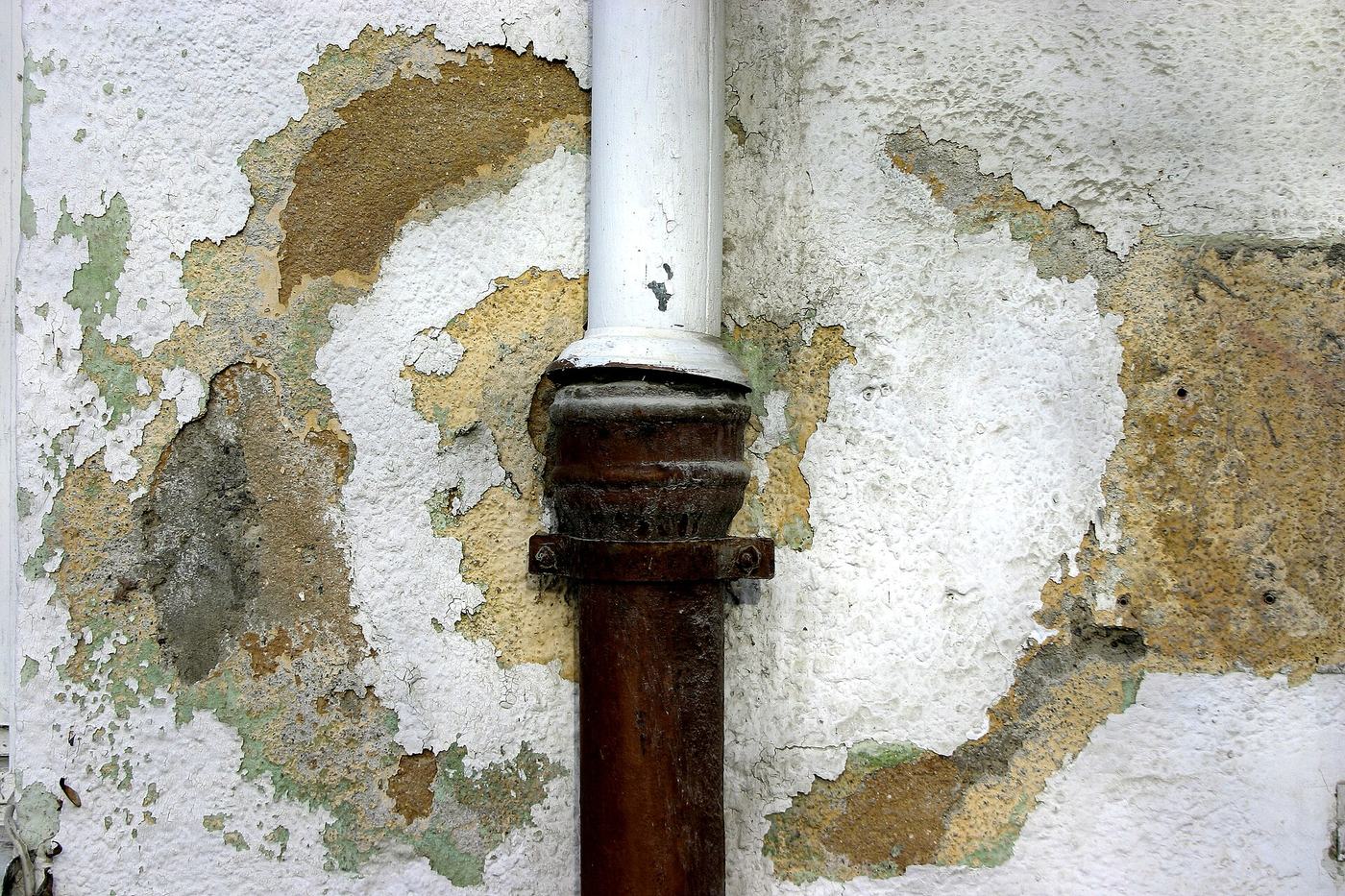
- Water damage and peeling paint around a pipe from a hidden water leak: photo by Nino Barbieri, CC BY-SA 2.5, via Wikimedia Commons.
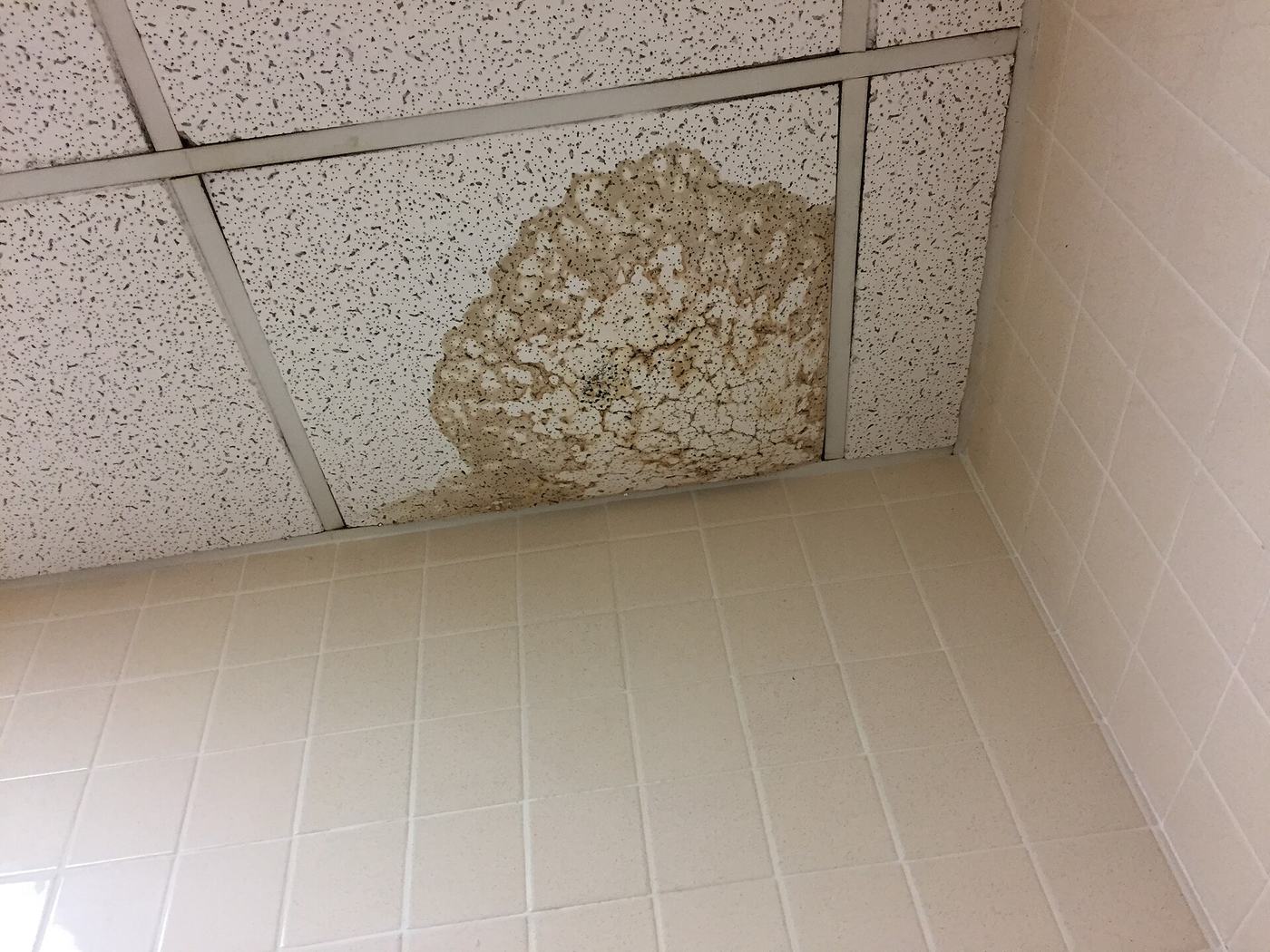
- Water stain on a ceiling tile indicating a concealed plumbing leak: photo by Atomicdragon136, CC BY 3.0, via Wikimedia Commons.