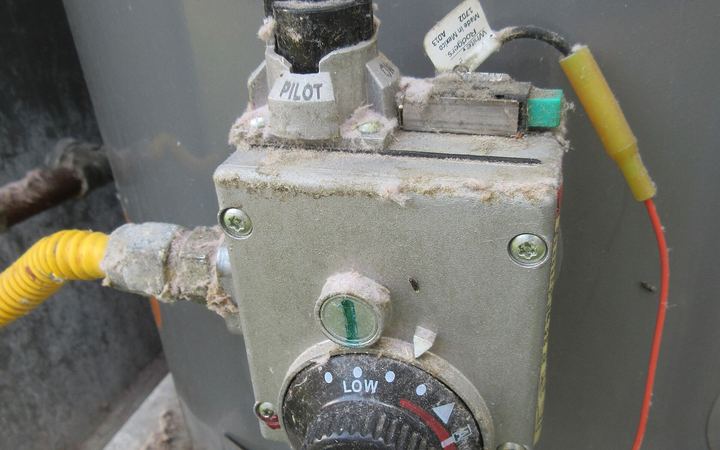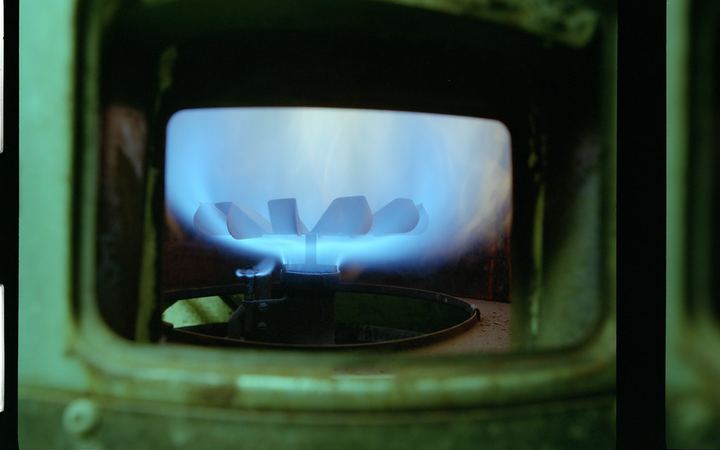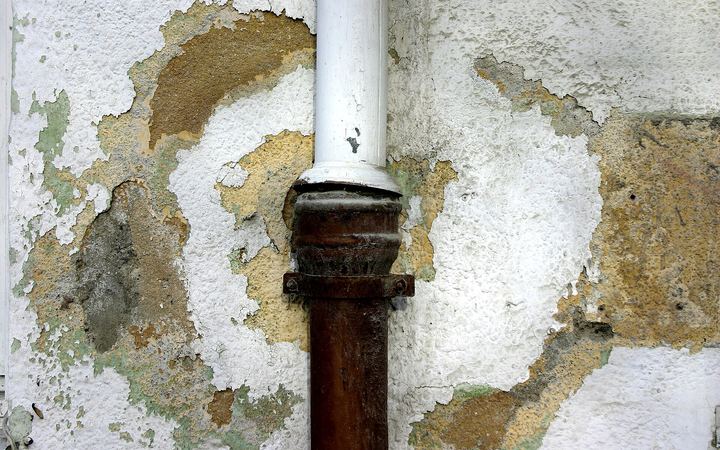
Orange County has hard water. Anaheim’s supply runs on the harder end, around 300 to 316 parts per million, roughly 18 grains per gallon, and the county generally sits in the 10 to 19 grains-per-gallon range depending on the city. That hardness comes from dissolved calcium and magnesium. Over time, as the water sits and heats, those minerals leave scale inside pipes, on the heating surfaces in a water heater, and on fixtures. The practical question is not whether OC water is hard, it is how much maintenance that warrants. Three things reduce the buildup: flushing a tank water heater, descaling a tankless unit on the right interval, and, if you want to treat it at the source, a whole-house softener. Which of those fits depends on your equipment and your budget.
What hard water does, step by step
Hard water is safe to drink and will not damage a home overnight. What it does is accumulate. As hard water is heated or left to sit, the calcium and magnesium come out of solution and deposit on surfaces as scale.
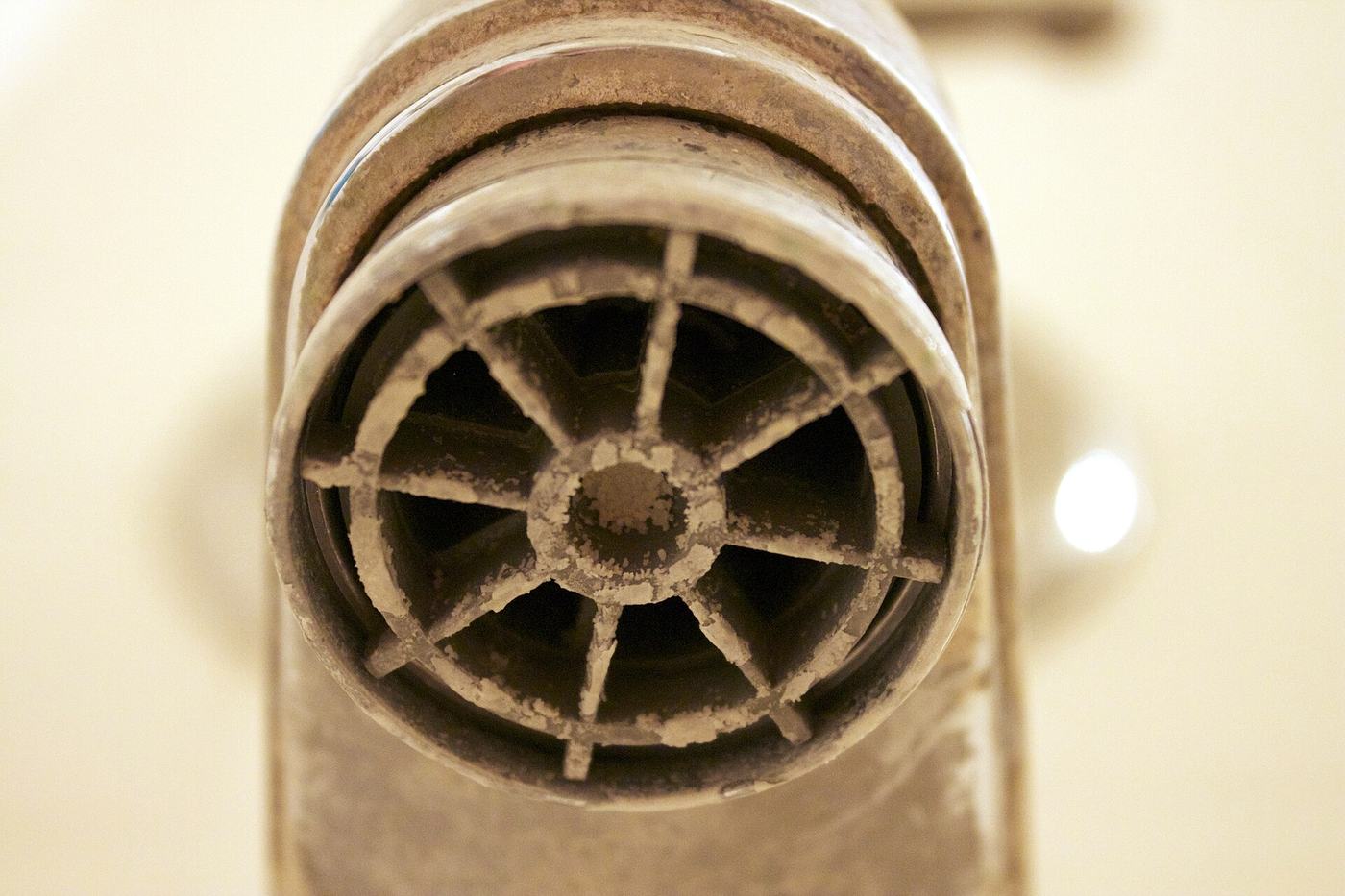
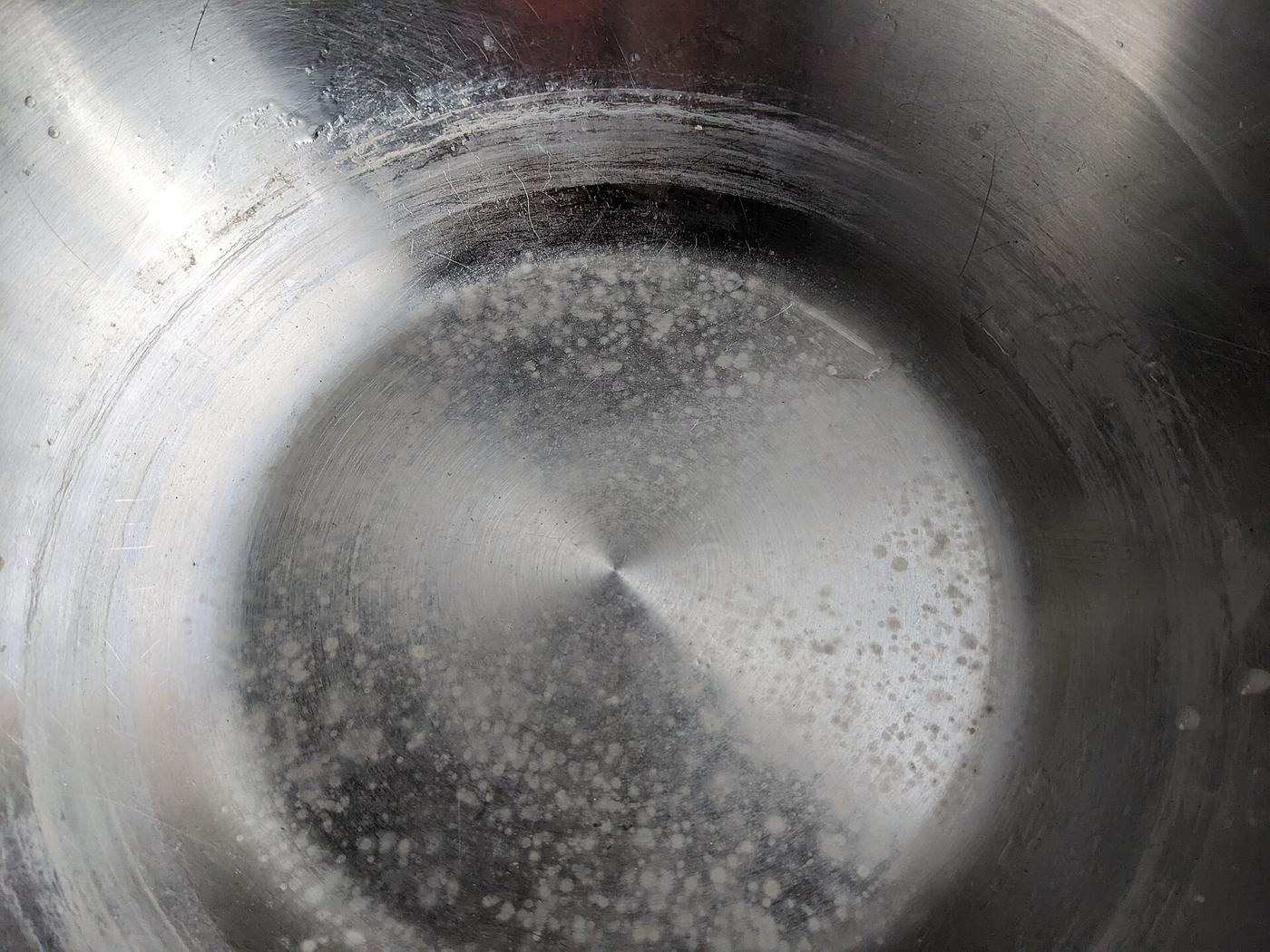
In pipes, that scale narrows the interior over years, which lowers water pressure and gives corrosion a place to start in older galvanized and copper lines. In a water heater the effect is faster, because heat accelerates it. In a tank, scale settles as sediment on the bottom, insulating the burner from the water so the unit runs longer for the same hot water and wears sooner. In a tankless unit, scale builds on the heat exchanger and can trigger error codes and lukewarm output. On fixtures it shows up as crusty buildup on faucets and showerheads and spotting on glassware. None of this is urgent. All of it is cumulative, which is why a steady maintenance interval does more than an occasional large intervention.
What actually reduces scale buildup
Each option earns its place on what it measurably does.
Flushing a tank water heater on a regular schedule drains the sediment that settles on the bottom, which restores efficiency and extends the tank’s life, and it is inexpensive. For a tankless unit, descaling the heat exchanger on the right interval clears the scale that forms on the hottest surface, and in hard OC water that interval is more frequent than the manufacturer’s average-water default. These two maintenance steps are the lowest-cost, highest-return moves for most homes, and they are things we can do or set you up to schedule.
A whole-house salt-based softener removes the hardness minerals before the water reaches your pipes and heater, which slows scale everywhere at once. It is a larger investment with its own upkeep, and whether it pays off depends on your home and how much the hard water is costing you. If a softener is the right long-term step for your home, we will tell you so. Our work is protecting the heater and pipes through flushing, descaling, and repair.
Salt-free magnetic and electronic conditioners are marketed as no-salt, no-maintenance alternatives. The evidence that they reduce hardness the way a salt-based softener does is weak, so treat those claims with caution and put your money toward maintenance that measurably works.
Weighing the cost over time
Hard water imposes a slow, steady cost on your equipment: a little lost efficiency, a little shortened life, a little pressure loss, compounding over years. You cannot change the water entering an OC home, but you can decide how much of that cost you keep paying. A regular maintenance habit, flush the tank, descale the tankless, keep an eye on the fixtures, holds most of that cost down for a small spend. Treating the water at the source with a softener holds it down further, for a larger upfront cost. Doing nothing usually means paying earlier for a heater replacement that maintenance could have deferred. Those are the tradeoffs, and we are happy to walk through them for your own home.
Frequently Asked Questions
How hard is the water in Anaheim and Orange County?
Anaheim’s water runs on the harder end, around 300 to 316 parts per million, roughly 18 grains per gallon, and OC cities generally fall in the 10 to 19 grains-per-gallon range. That is hard enough to scale heaters and pipes over time.
How often should I flush my water heater in OC?
More often than in a soft-water area. A regular flush, and for tankless a descaling on the right interval for hard water, is the lowest-cost way to protect the unit. We set the schedule to your equipment.
Do water softeners really work?
A salt-based softener removes hardness before it reaches your plumbing, which slows scale throughout the house. It is a larger investment with upkeep, so it is worth weighing against what the hard water is costing you.
Are magnetic or electronic water conditioners worth it?
The evidence that they reduce hardness the way a salt-based softener does is weak. Maintenance that measurably protects your heater and pipes is the better place to spend.
Can hard water damage be reversed?
Existing scale can be flushed or descaled out of a heater, which recovers efficiency, but a pipe or component already worn thin by years of scale and corrosion may need repair or replacement. Regular maintenance prevents most of the damage from reaching that point.
Reduce hard-water wear on your heater and plumbing
Wondering what hard water is costing your home? Call Viper Rooter & Plumbing at (657) 637-8529. We are a family-owned Anaheim plumber, licensed and insured (LIC #1022901), serving Orange County 24/7. We will tell you which steps actually reduce scale for your equipment, handle the flushing and descaling, and tell you whether a softener is worth considering.
Photo credits
- Heavy limescale and calcium buildup encrusting a faucet aerator from hard water: photo by Bbypnda, CC BY-SA 3.0, via Wikimedia Commons.
- Limescale scale deposits coating the inside of a stainless steel pot from hard water: photo by Nicbou, CC0, via Wikimedia Commons.