If you woke up to a cold shower, a few checks can tell you whether this is a five-minute fix or a service call. On a gas heater, the pilot light may have gone out. On an electric heater, the breaker may have tripped. On either one, the thermostat can be set too low or a single part can be worn. Run the checks below first. If one of them restores hot water, you are done. If not, you will know what to tell the plumber, and you will have a sense of whether you are looking at a part replacement or a heater near the end of its life. One result does point straight to replacement: a tank leaking from the steel body itself, which cannot be repaired. Water on the floor near a heater does not prove that on its own, and the difference matters, so we cover how to tell them apart below.
Do these quick checks first
Start with the least expensive possibilities.
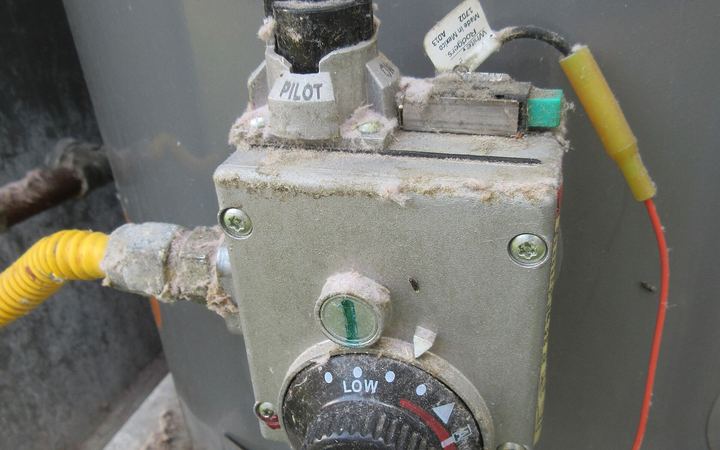
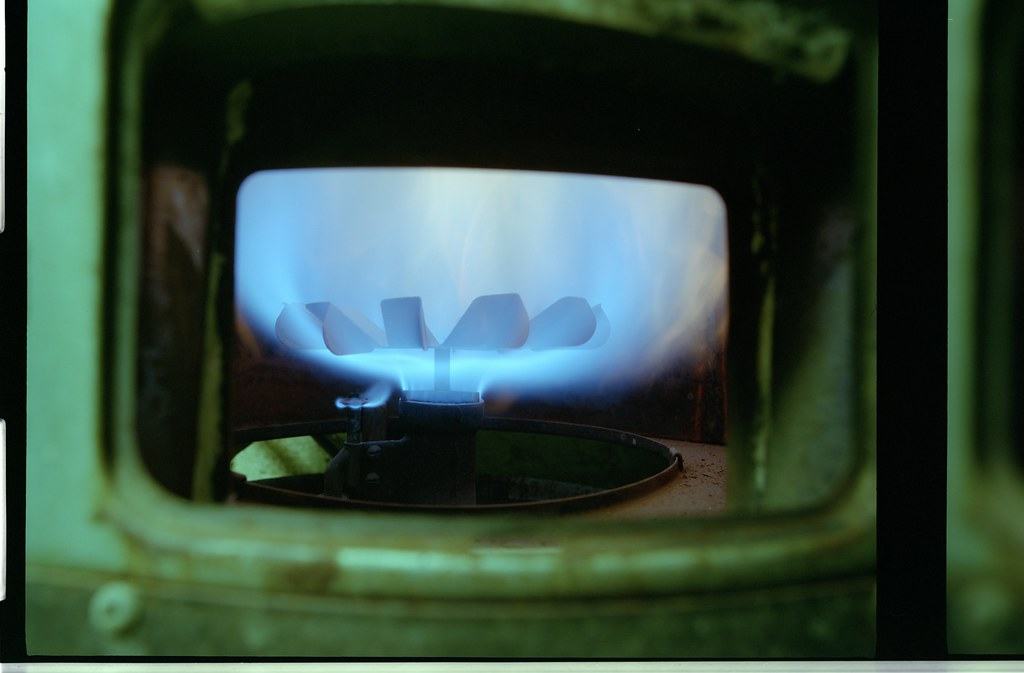
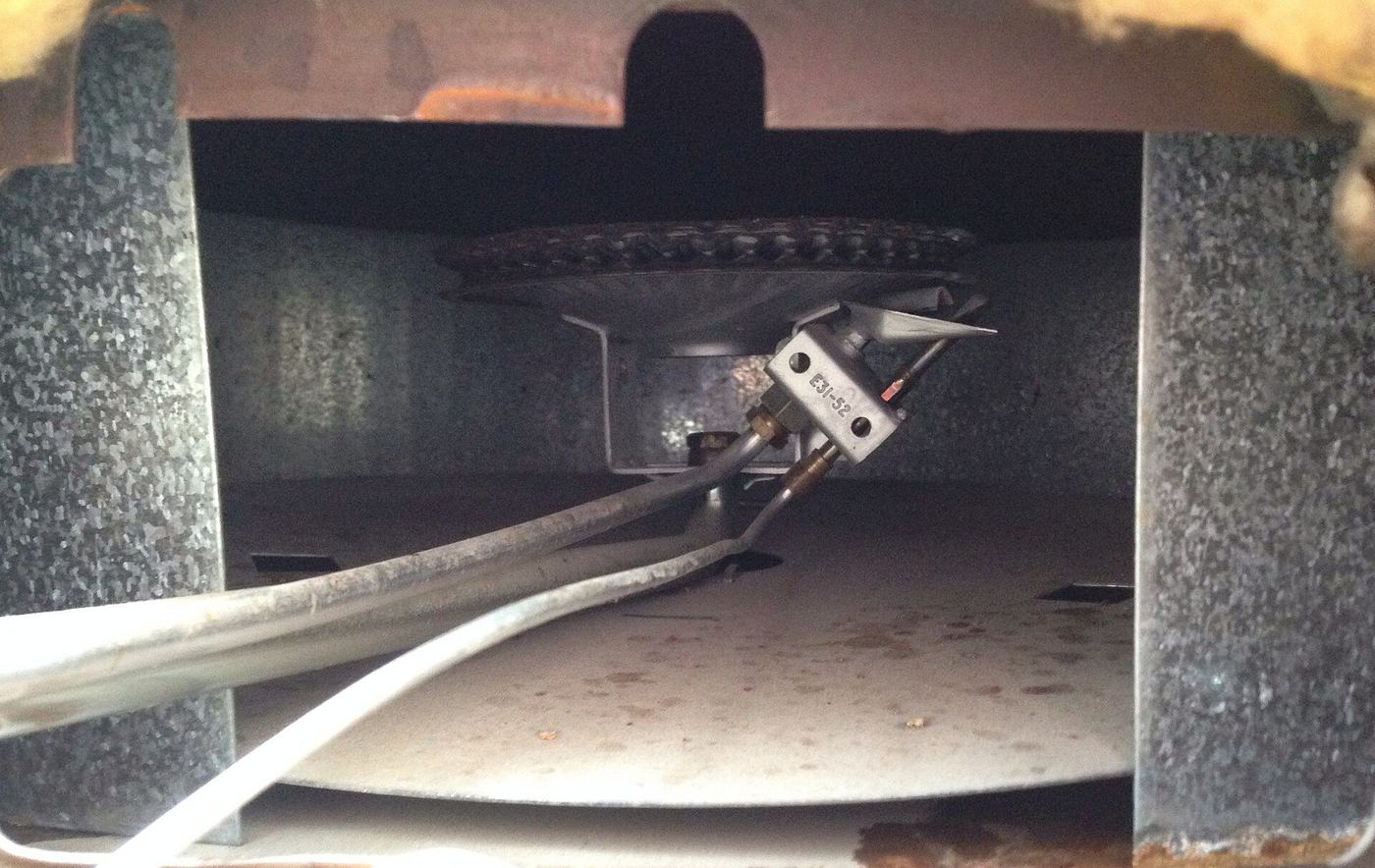
For a gas water heater, check the pilot. Look through the small window near the bottom of the tank. If the flame is out, follow the relighting instructions printed on the label of your specific heater, since the steps vary by unit. If it lights and holds, you are set. If it lights and then goes out again a minute later, the thermocouple, the small sensor in the flame path, is a common and inexpensive cause.
For an electric water heater, check the breaker. At the panel, look for a tripped breaker for the water heater, and flip it fully off then back on. Many electric heaters also have a red reset button on the upper thermostat behind an access panel, which resets a high-temperature cutoff. If the breaker trips again right away, stop and call, because that points to an electrical fault rather than a simple reset.
Check the thermostat setting. If the water is warm but never hot, the thermostat may be set low. Most homes run comfortably around 120 degrees. Nudge it up and give it an hour.
Consider the age. If the heater is well past a decade old and the hot water has been weakening for a while, the cause may be the end of its service life rather than a single part. That factors into whether a repair is worth it, which the next sections cover.
Why so many Orange County heaters fail early
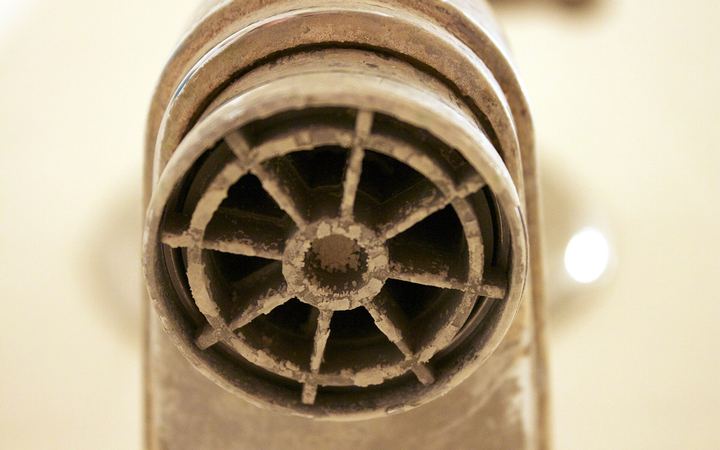
There is a local reason heaters here often do not reach the life on the sticker. Orange County water is hard, and Anaheim’s is on the harder end, high in the minerals that leave scale. That scale settles as sediment in the bottom of a tank and coats the heating surfaces. It makes the heater work longer for the same hot water, run louder (the rumbling or popping sound is water heating under a sediment layer), and wear sooner. A tank that might last twelve years in soft water can fall short here if it was never flushed. It is the reason a periodic flush is worth scheduling, and the reason the age question carries more weight in this area.
Repair or replace: how to tell
The repair-versus-replacement decision usually comes down to age, tank condition, and the failed component. Here is how those line up.
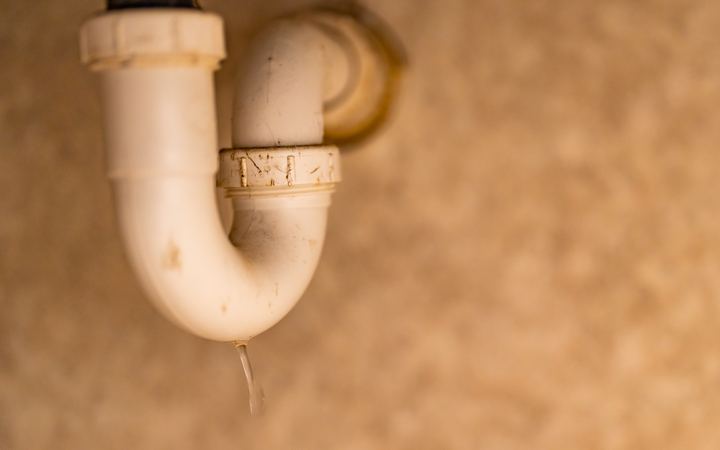
Start by confirming where any water is coming from, because this is the point that gets overstated. If the steel tank body has corroded through and the tank itself is leaking, replacement is required, because there is no patch for a failed vessel. But water on the floor beside a heater does not automatically mean the tank has failed. It can come from the fittings and connections on top, the temperature-and-pressure relief valve or its discharge pipe, the drain valve at the bottom, condensation, or runoff from elsewhere. Confirm the source before assuming the worst, because several of those are simple repairs.
On a younger heater with a sound tank, a failure such as a thermostat, a heating element, a thermocouple, or a similar replaceable component usually points toward repair. When the heater is past roughly eight to twelve years old and the repair cost is a large share of a new unit, replacement is often the better spend, because money put into a worn tank near the end buys months rather than years. Beyond age and cost, tank condition, efficiency, and the remaining life you can expect all factor in. On a healthy heater with one bad part, replacing the part is the proportionate fix.
What it costs, and what to expect
A service call to diagnose and repair a specific part is a modest, known number, and you get the price before work starts. A full replacement is a larger number that depends on the size and type of heater and whether the install has to be brought up to current code (a permit and final inspection are required on a water-heater swap in California, and we handle that). Either way, you hear the cost up front, and when a repair will get real life out of the tank, that is what we quote.
Frequently Asked Questions
Why does my pilot light keep going out?
A common cause is a failing thermocouple, the small sensor that shuts the gas off when it cannot detect the flame. It is an inexpensive repair. Relight using your heater’s own label instructions first; if it will not stay lit, that part is the likely cause.
My water heater makes a rumbling or popping sound. Is that bad?
It usually means sediment has built up in the bottom of the tank, common with Orange County’s hard water. It lowers efficiency and shortens life. A flush can help early on; a heater that has run years without one may be near the end.
How do I know if I should repair or replace?
It comes down to age, tank condition, and the failed part. A sound tank with a single worn component usually points to repair. A tank past roughly eight to twelve years old with a repair cost near the price of a new unit, or a confirmed leak from the tank body, points to replacement.
Is a leaking water heater an emergency?
A heavy leak can be. Shut the cold-water valve on top of the tank and turn off its gas or breaker, then call. First confirm the water is coming from the tank body rather than a fitting or the relief valve, because that changes whether it is a repair or a replacement.
Do I need a permit to replace a water heater in California?
Yes. California requires a permit and a final inspection for a water-heater replacement, including a like-for-like swap. We pull the permit and build the install to current code.
When the checks do not fix it, call Viper
If you have relit the pilot, reset the breaker, checked the thermostat, and still have no hot water, it is time for a look. Viper Rooter & Plumbing serves Anaheim, CA and Orange County, including Santa Ana, Orange, Fullerton, and Garden Grove. We are family owned, licensed and insured (LIC #1022901), and we answer 24/7 emergency calls. Call (657) 637-8529 and we will confirm the source, tell you what it is, and give you the price before we start.
Photo credits
- Lit gas burner flame inside a water heater (burner and pilot in operation): photo by jasonwoodhead23, CC BY 2.0, via Flickr.
- Gas burner and pilot assembly inside a water heater combustion chamber: photo by Z22, CC BY-SA 3.0, via Wikimedia Commons.