If your kitchen sink backs up again a few weeks after someone snaked it, the drain was never really fixed. A snake punches a hole through the clog so water moves again. It does not remove what is coating the inside of your pipe, and it does not fix the reason the line keeps catching. So the clog comes back, you call again, and you pay again. The truth is that a drain which re-clogs on a schedule almost always has a cause a snake cannot reach: grease and soap buildup on the pipe wall, scale inside old cast iron, a bellied section where waste pools, or a drain that was undersized from the start. Find the cause and the repeat calls stop. That is the whole reason to put a camera in the line before anyone quotes you more work.
First, figure out which kind of clog you actually have
There is a real difference between one slow drain and a whole house that backs up, and it tells you where the problem lives.
A single slow fixture, like one bathroom sink or one shower, is usually a local clog: hair, soap, toothpaste, or grease within a few feet of the drain. That is the ordinary, inexpensive fix, and most of the time a basic cleaning handles it. You do not need hydro jetting or a camera for a single slow bathroom sink that has never done this before. Paying for the big service on a small problem is money you should keep in your pocket.
Repeat backups across the house are a different animal. When more than one fixture gurgles, when the toilet burbles while the washer drains, or when the lowest drain in the house floods first, the trouble is in the main line that carries everything out to the street. Roots, heavy grease, or a sagging section of pipe in that main line will back up again and again no matter how many times a branch drain gets snaked. If you have been getting a branch snaked for a main-line problem, you have been buying a temporary patch and paying for it on repeat.
The non-root causes that keep bringing a drain back
Tree roots are their own subject, and we cover them in our guide on roots in older Orange County sewer lines. Set roots aside and these are the usual repeat offenders:
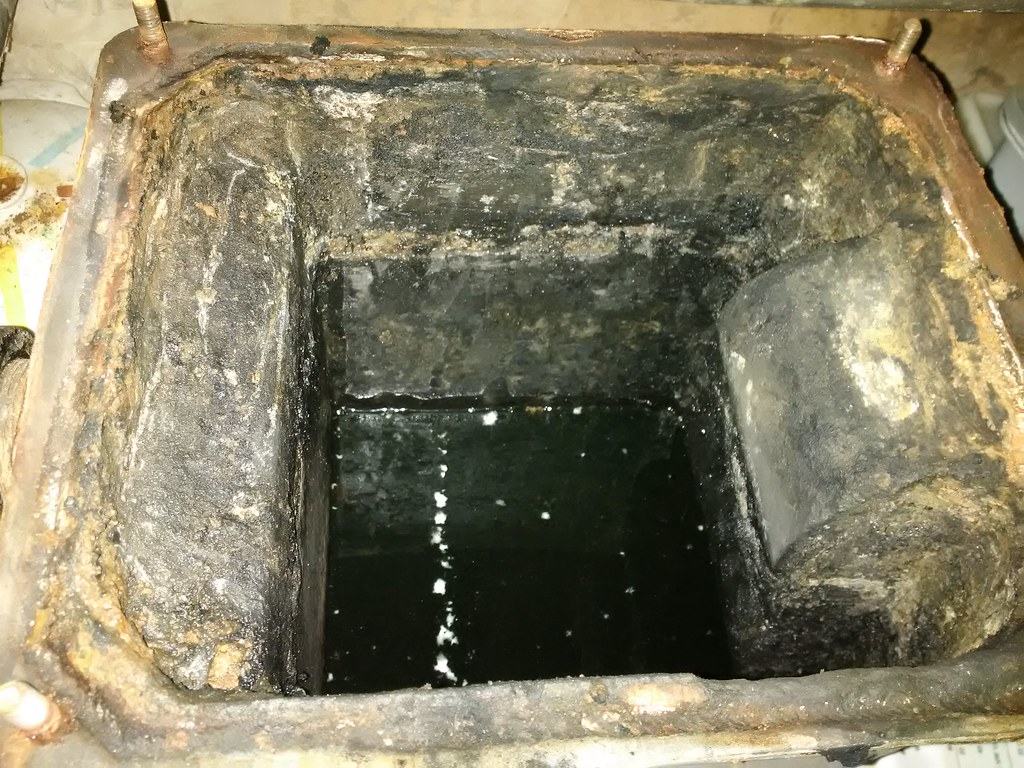
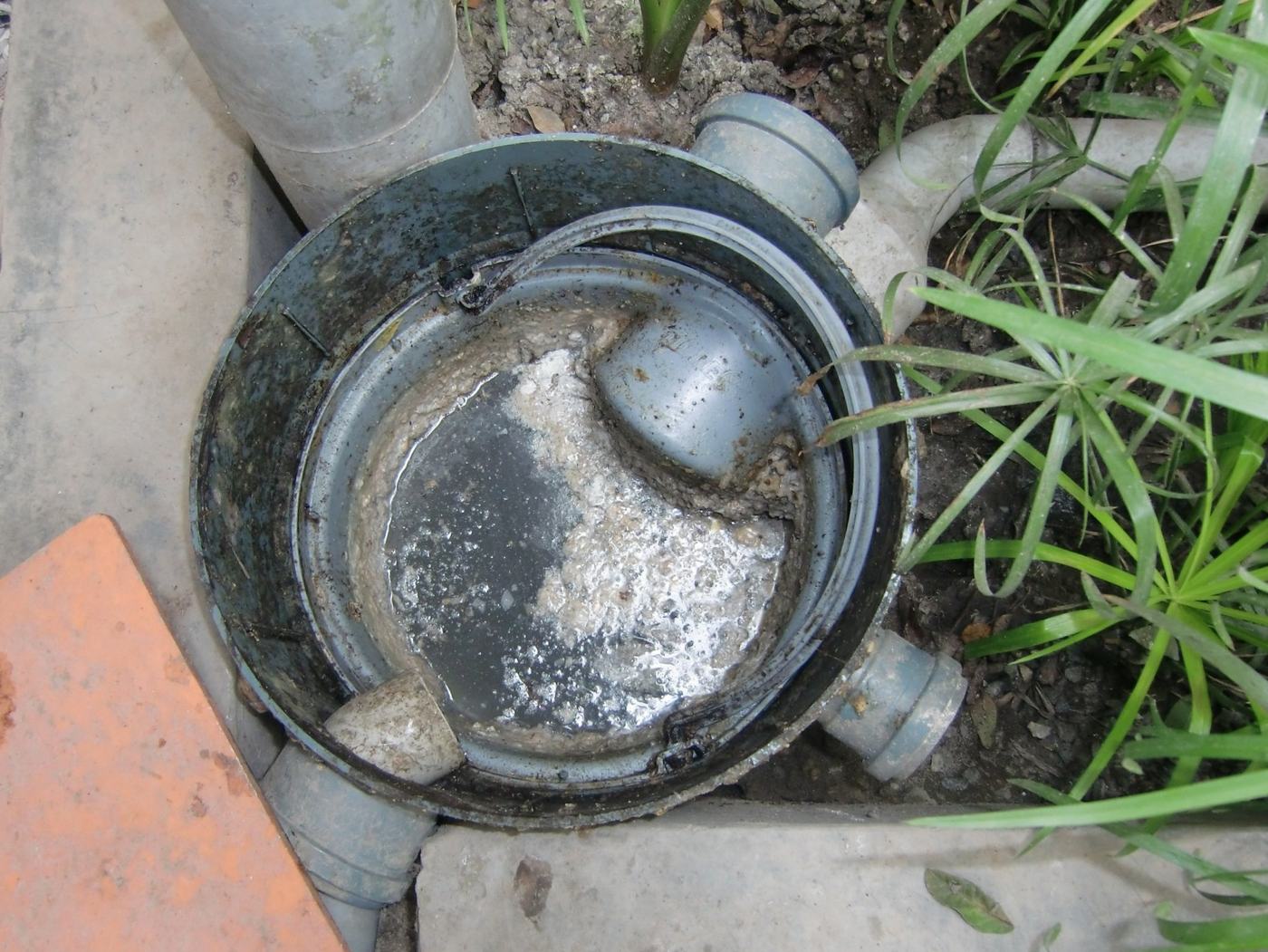
Grease and soap. Every time warm, greasy water goes down the kitchen drain, a little of it cools and sticks to the pipe wall. Over months it narrows the pipe the way plaque narrows an artery. A snake bores through the middle and leaves the coating behind, so the line closes back up. This is the single most common reason a kitchen sink re-clogs.
Scale in old cast iron. Plenty of homes in Anaheim, Fullerton, and Santa Ana built before the mid-1970s still have cast-iron drain lines. Cast iron corrodes and grows a rough, scaly interior that catches everything moving past it, and Orange County’s hard water does not help. Once a line is scaled, snaking is temporary by definition.
A bellied or sagging line. If a section of pipe has settled so it dips, water and waste pool in the low spot instead of flowing through. Solids drop out and build up right there. A snake clears it for a while, then the belly fills again. A camera is the only way to actually see a belly, and finding one changes the fix entirely.
An undersized or badly routed drain. Some older remodels tie too many fixtures into a line that is too small, or run a drain without enough slope. That line will always be marginal and will clog under load.
Snaking versus hydro jetting: how to choose
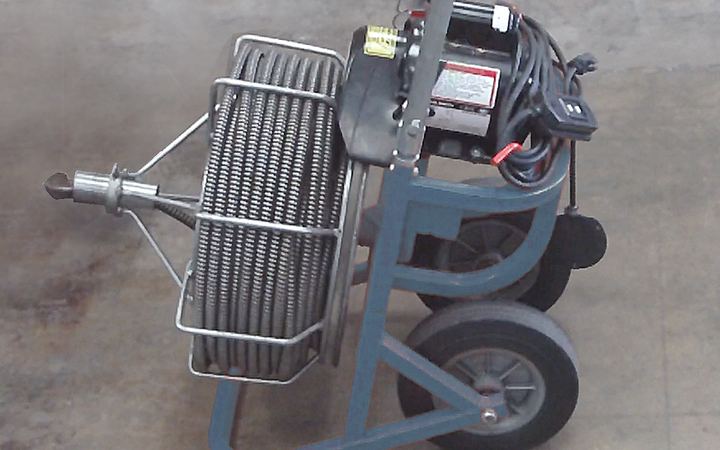
Snaking, also called cabling, sends a rotating cable down the line to break through a clog. It is fast, inexpensive, and the right tool for a simple, localized blockage. For a first-time slow bathroom drain, a snake is usually all you need, and a fair plumber will tell you that instead of steering you toward something bigger.
Hydro jetting sends water down the line at high pressure and scours the full inside wall clean, all the way around, rather than just poking a hole through the middle. That is what removes grease coating, cuts through soft root intrusion, and clears a scaled line. Jetting costs more than a snake because it does more and because it lasts. The way to decide comes down to whether the buildup is on the wall. If this is the first time and it is one fixture, snake it. If it keeps coming back, or the camera shows grease or scale coating the wall, jetting is the fix that ends the cycle. Paying for jetting on a one-time simple clog is overkill, and paying for a fourth snaking on a grease-coated main line is throwing good money after bad.
Why we scope the line before we quote
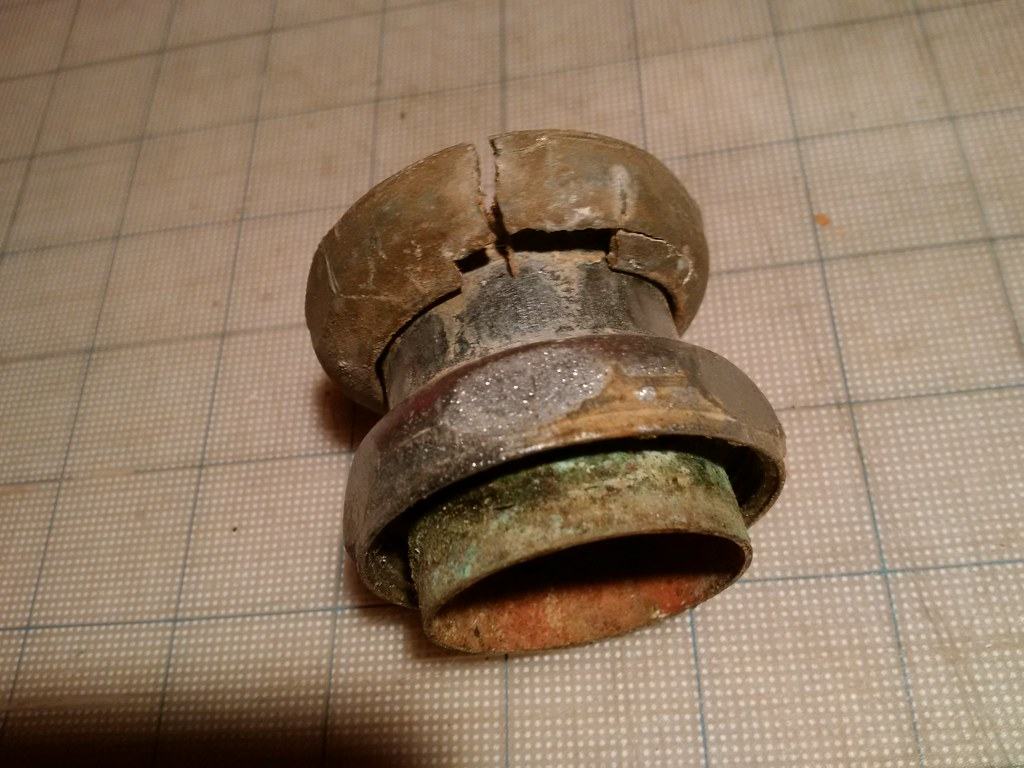
Here is where a repeat-call pattern gets expensive without you noticing. Clearing a drain without identifying the cause is what sets up the next call, so on a recurring clog the camera goes in first. You watch the screen right along with us. If the line is clean and it was a one-off, we say so, and you do not buy anything else. If the camera shows grease, scale, a belly, or roots, you see the footage of your own pipe before we quote a dime, and you decide with real information in front of you. The camera scope is included free with our $89 drain cleaning, so finding the true cause does not cost you extra.
What pricing looks like on a recurring clog
A straightforward drain cleaning is a small, known number, and our $89 special with a free camera scope is exactly what it sounds like. Hydro jetting is more because it is a bigger job, and a repair such as a spot fix or relining a bad section is quoted only after the camera shows it is warranted. You get the price up front, before work starts, and if the cheaper fix will hold, we say so.
Frequently Asked Questions
Why does my drain clog again a week after it was snaked?
Because snaking clears an opening through the clog but leaves the grease, soap, or scale coating the pipe wall. The line closes back up as buildup collects again. Hydro jetting cleans the full wall, which is why it lasts far longer for buildup.
Do I really need a camera inspection for a clog?
Not for a first-time slow single drain. You need one when a drain keeps coming back, when several fixtures back up together, or when you want to know the real cause before paying for a bigger repair. The scope is what separates a simple clog from a main-line problem.
Is hydro jetting safe for old pipes?
For most sound cast iron, clay, and modern pipe, yes, and a camera check first confirms the line can take it. If the camera shows a pipe that is already cracked or collapsed, jetting is not the answer, and we will tell you the line needs a repair instead.
My whole house backs up when I run the washer. What does that mean?
Multiple fixtures backing up together points to the main line to the street, not a single branch drain. That is usually roots, heavy grease, or a bellied section, and snaking one branch will not fix it. A main-line camera scope finds it.
What does the $89 drain cleaning include?
A standard drain cleaning plus a free camera scope so you can see the condition of the line. If the camera finds something a cleaning cannot fix, you see the footage and get a quote before any further work.
Call Viper when the clog keeps coming back
If you are on your third snaking for the same drain, stop paying for the patch and find out why. Viper Rooter & Plumbing serves Anaheim, CA and the surrounding Orange County cities, including Santa Ana, Orange, Fullerton, Garden Grove, and Buena Park, with up-front pricing. We are family owned, licensed and insured (LIC #1022901), and we answer 24/7 emergency calls. Call (657) 637-8529 and we will tell you what is causing it and what it costs before we start.
Photo credits
- Grease trap caked with thick grease buildup that causes recurring drain clogs: photo by artistmac, CC BY-SA 2.0, via Flickr.
- Grease trap with visible fat and grease buildup that causes recurring drain clogs: photo by SuSanA Secretariat, CC BY 2.0, via Wikimedia Commons.
- Pipe coupling choked with hardened mineral scale and buildup: photo by artistmac, CC BY-SA 2.0, via Flickr.