Epoxy pipe lining restores an existing water line from the inside instead of tearing it out. The idea is to clean the interior of the pipe and apply a bonded epoxy barrier along the pipe wall, which seals pinholes and puts a corrosion-resistant surface between the water and the aging metal. Because the work is done through existing access points, it avoids opening walls, ceilings, and slab that a full repipe would disturb. It is not the right method for every failure. Lining requires a host pipe that is still structurally continuous. A pipe that has collapsed, badly shifted at a joint, or corroded past the point of holding together needs replacement, not a coating. A camera inspection is what determines which category your line falls into before any work is quoted.
How epoxy lining works, step by step
The process is methodical, and the preparation matters as much as the coating.
First, an inspection and assessment confirm the pipe material, the type of failure, and whether the line is a lining candidate. Second, the pipe is isolated and thoroughly cleaned inside, because the epoxy has to bond to a clean, dry interior to seal correctly. Third, the epoxy is applied to the interior wall and allowed to cure, forming a continuous barrier along the inside of the existing pipe. Fourth, the line is tested and returned to service through the same access points, with no long trench or wall demolition.
A note on terminology, because two different repairs get grouped under “lining.” Structural cured-in-place liners, where a resin-saturated liner is installed and cured into a stand-alone pipe, are typically used on drain and sewer lines. Interior epoxy coating of pressurized potable supply lines is a different application aimed at sealing pinholes and restoring a corrosion barrier inside sound pipe. The exact system and the manufacturer specifications determine what a given install covers and how it is rated, so we confirm the specific method for your pipe rather than promising a generic result.
What lining is suited for
Lining fits a specific situation: a supply line that is aging, developing pinhole leaks, or corroding on the inside, but is still structurally continuous. In that case, coating the interior can seal the leaks and slow further corrosion without the demolition a repipe requires under an older Anaheim home’s walls, slab, or landscaping. It is often less destructive and faster than removing and replacing a run of pipe buried behind finished surfaces. Where the pipe still holds its shape and carries pressure, lining is a candidate worth evaluating against a repipe on cost and disruption.
The conditions lining requires
Lining restores a pipe. It cannot rebuild one that is no longer there. That single limit is what separates a candidate from a replacement job.
If a pipe has collapsed, there is no continuous host surface for the epoxy to bond to, so the section has to be replaced. If a pipe has shifted badly at a joint, a coating cannot restore alignment. If the pipe wall is so far corroded that it can no longer hold shape or pressure, replacement is the sound answer, because a barrier applied to a failing structure will not carry the load. These are the technical conditions, not fine print: if the host pipe cannot maintain shape and continuity, lining is unsuitable and the damaged section needs replacement or reconstruction first. A proper inspection is what sorts a lining candidate from a pipe that is past coating.
Why the camera inspection decides it
Everything above comes down to one question: is your pipe a lining candidate or a replacement job? That cannot be judged from the outside. A camera inspection shows the pipe’s interior condition, whether it is continuous and sound enough to coat, or collapsed and displaced enough to require replacement. We run the scope, you see the footage, and the method follows from the condition of the pipe. That order keeps the recommendation tied to evidence, and it also guards against the opposite error: replacing a pipe that could have been lined for less and with far less disruption.
Frequently Asked Questions
How long does epoxy pipe lining last?
Longevity depends on the specific system, the pipe it is applied to, and how well the interior was prepared. Rather than quote a generic number, we confirm the manufacturer rating for the method used on your line so the expectation matches the product installed.
Is pipe lining cheaper than replacement?
It often is once you count the cost of not opening walls, concrete, and landscaping to reach a buried pipe. But a collapsed or displaced pipe that cannot be lined needs replacement, so the comparison depends on your pipe’s condition, which the inspection determines.
Can any pipe be lined?
No. Lining requires a structurally continuous host pipe. A collapsed, badly displaced, or severely deteriorated pipe cannot be coated and must be replaced. A camera inspection confirms whether your pipe qualifies before any work.
Is epoxy lining used for drinking water lines?
Interior epoxy coatings intended for potable supply lines are made for that purpose. We confirm the correct system for your line, install it to the manufacturer specification, and inspect first to be sure the pipe is a suitable candidate.
How long does the lining process take?
Many supply-line lining jobs run about a day depending on length and access, because the work uses existing access points rather than an open trench. We give a timeline for your specific line after the inspection.
Find out whether your pipe is a lining candidate
Considering epoxy lining? Call Viper Rooter & Plumbing at (657) 637-8529. We are a family-owned Anaheim plumber, licensed and insured (LIC #1022901), serving Orange County 24/7. We run the camera first, show you the interior condition of your pipe, and tell you whether lining fits or the line needs replacement, with a written price before we start. For sewer and drain laterals, which use a different method, see our post on trenchless sewer repair versus digging.
Photo credits
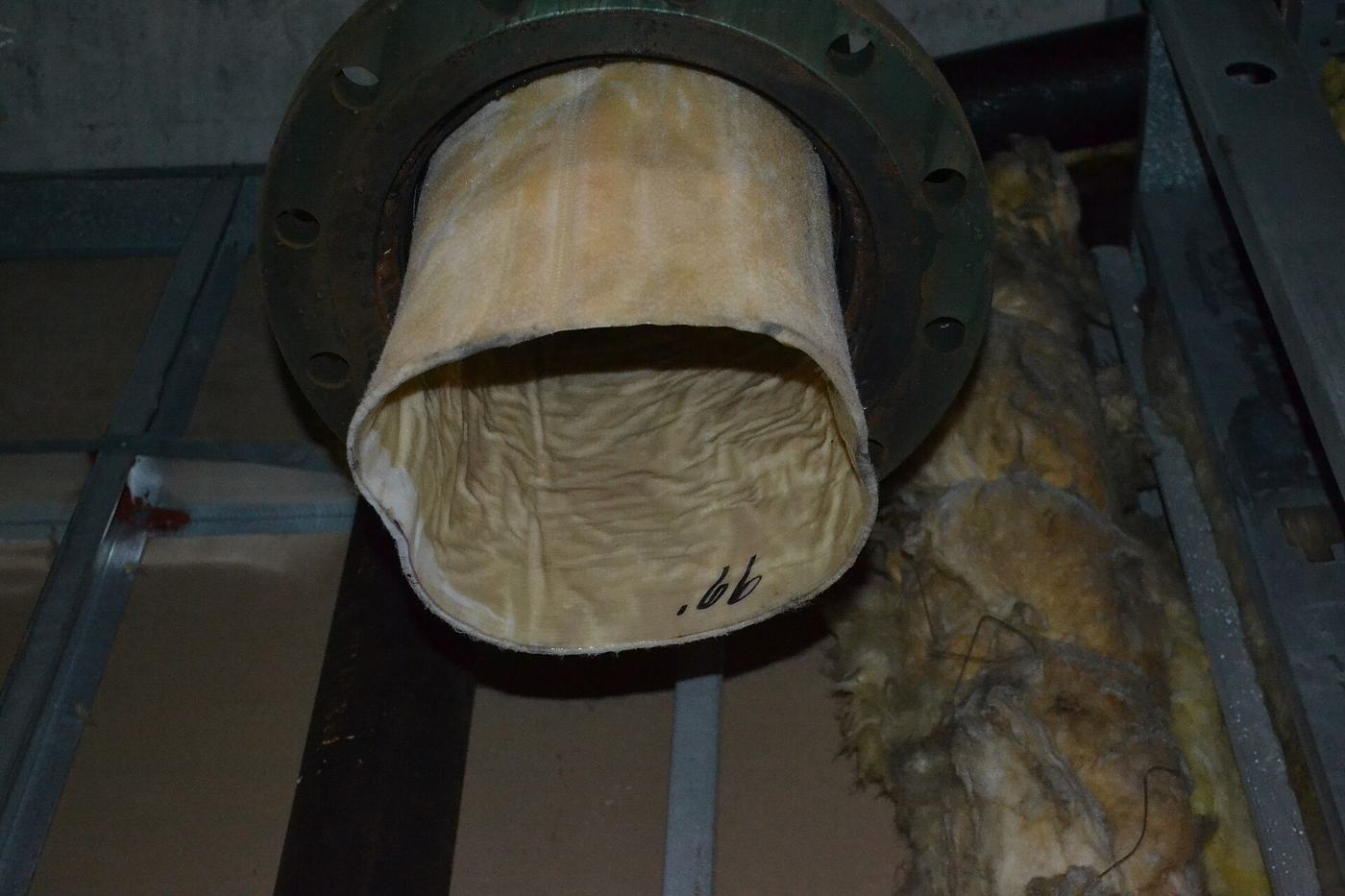
- Epoxy CIPP liner installed inside a flanged pipe section: photo by Rachkay333, CC BY 3.0, via Wikimedia Commons.
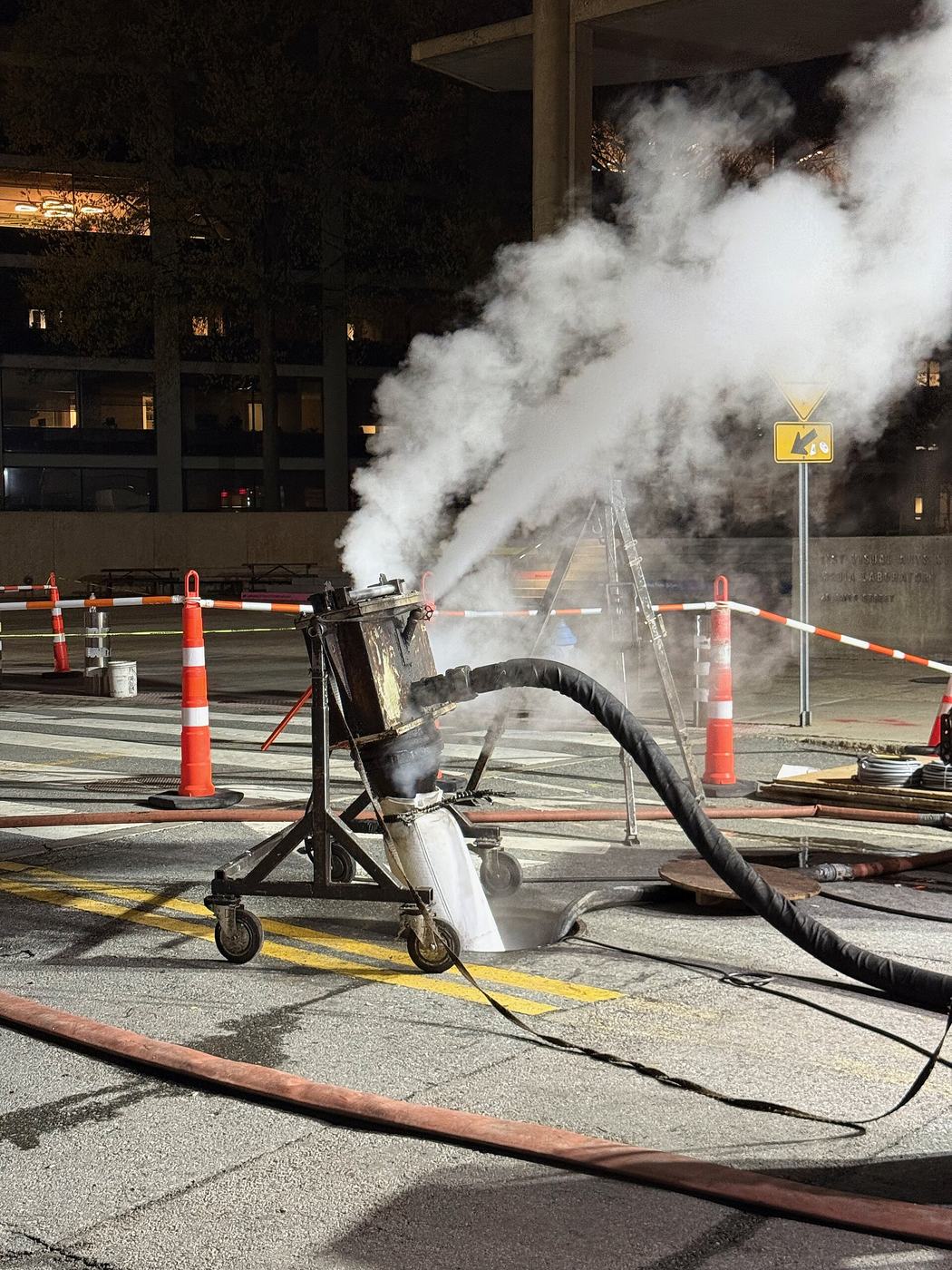
- Steam curing of a cured-in-place epoxy pipe liner (CIPP) at a work site: photo by B637275, CC0, via Wikimedia Commons.