If your sewer line is failing and one plumber wants to reline it while another wants to trench up your yard, you are right to want a clear answer before you spend the money. Here it is. Trenchless repair, meaning a liner or a pipe burst, restores your sewer line through one or two small access points with no full trench, usually in a day, and with no bill to rebuild your driveway or landscaping afterward. A full dig-and-replace is the right call when the pipe is collapsed, badly out of alignment, or too far gone to hold a liner. The only way to know which one your line qualifies for is a camera inspection first. Anyone who quotes you a method before they have looked inside the pipe is guessing.
What “trenchless” actually means
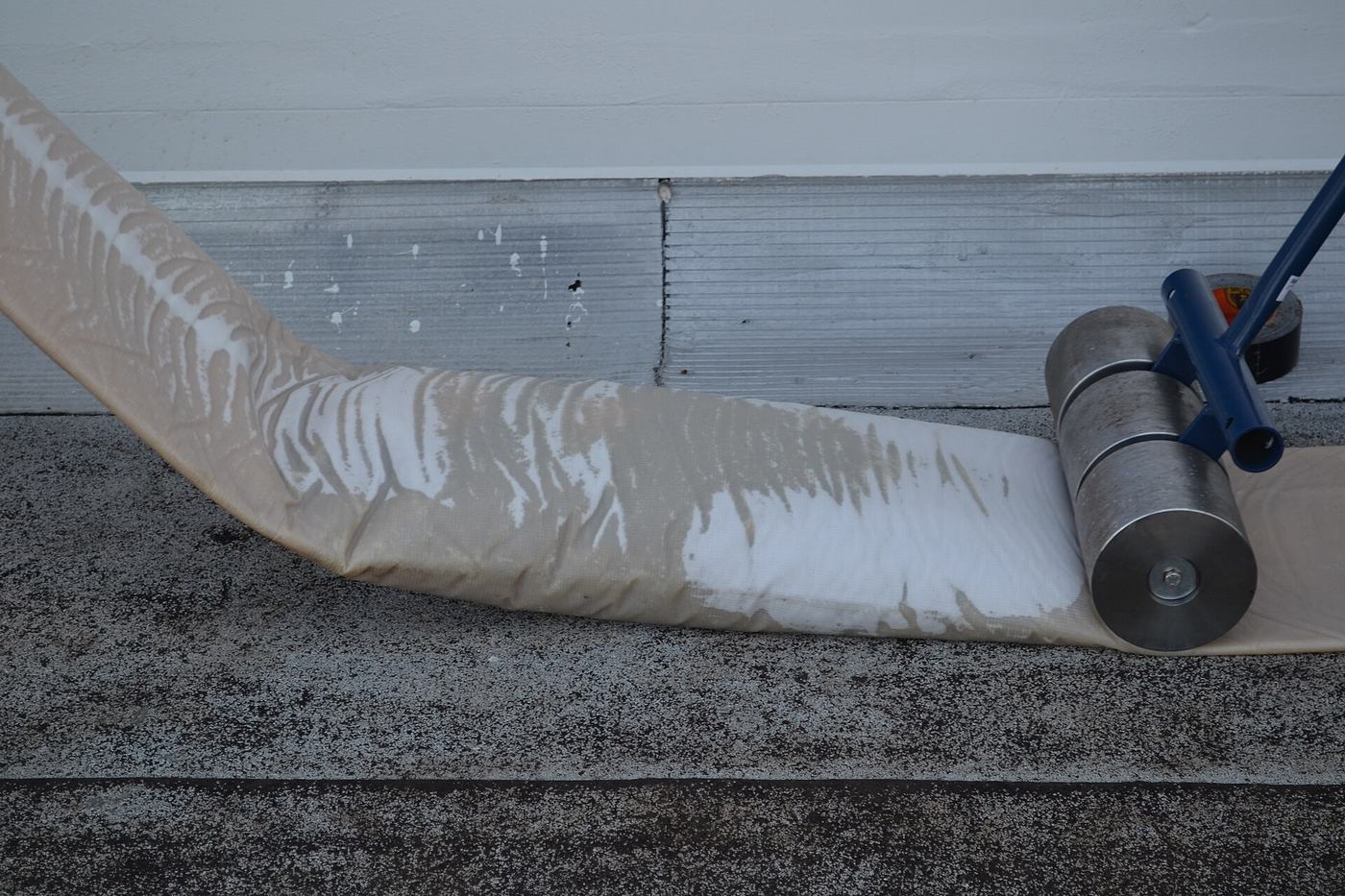
Trenchless is a plain-language umbrella for two repairs that avoid open excavation. The first is cured-in-place pipe lining, where we pull a resin-saturated liner through your existing sewer and cure it into a hard new pipe inside the old one. The second is pipe bursting, where a head is pulled through the old line, breaking it outward while dragging a new pipe in behind it. Both work from small dig points, usually one near the house and one near the connection at the street, instead of a trench running the length of your yard.
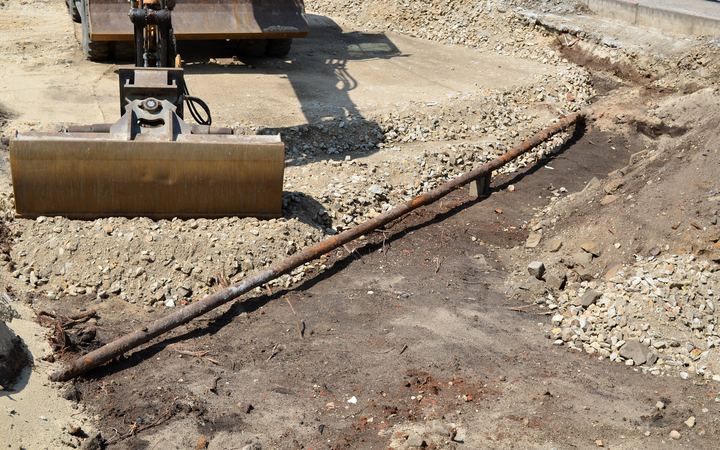
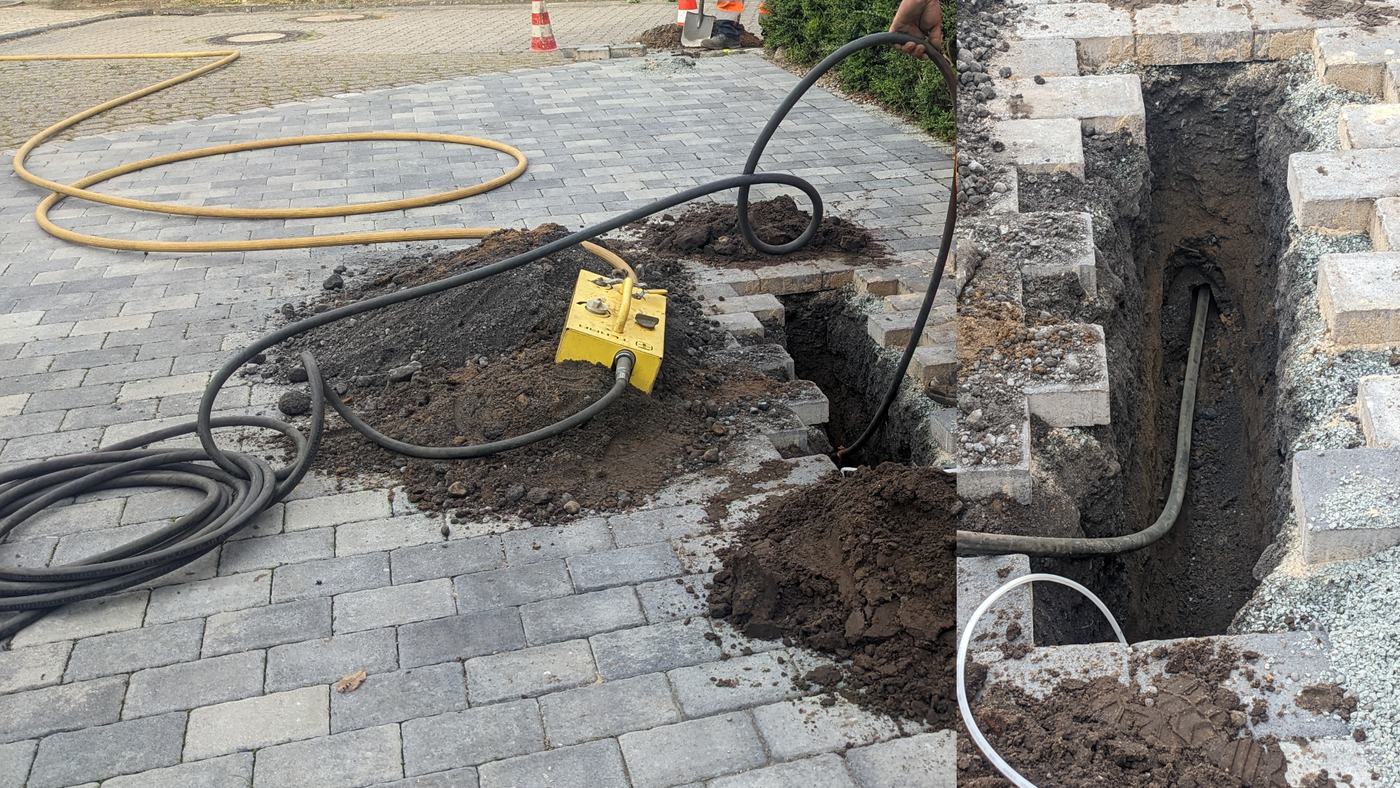
The appeal is not complicated. Your sewer lateral, the pipe that carries waste from your house to the city main, often runs under a driveway, a patio, mature landscaping, or a concrete walk. Trenching means cutting through all of that and then paying to put it back. Trenchless leaves the surface alone.
Why this comes up so much in Anaheim
Anaheim has a lot of housing stock built from the 1950s through the 1970s, and those homes were plumbed with clay-tile or cast-iron sewer laterals. Both materials have a service life, and a lot of them are now past it. Clay gets brittle and its joints separate. Cast iron scales up inside and corrodes. On top of that, these older neighborhoods have mature street trees whose roots find every joint and crack, and many of these homes have finished driveways and patios poured right over the sewer line.
That combination is the exact case trenchless was built for. When the pipe is worn but still structurally continuous, lining it spares the hardscape you would otherwise pay thousands to replace. We have relined laterals all over the older parts of Anaheim, and in a good number of them the driveway was the reason lining made better financial sense than a dig, before you even counted the plumbing.
When a full dig is the better money
Here is the part a lot of companies skip, because trenchless is the higher ticket. Trenchless is not always the right answer, and we will tell you when a dig beats it.
If your camera inspection shows a pipe that has fully collapsed, a liner has nothing to grip and cure against, so lining is off the table. If a section has shifted badly out of alignment, called an offset, a liner cannot bridge that gap cleanly. And if the damage is one short, reachable section near the surface rather than a run of bad pipe, a targeted spot dig can cost you far less than lining the whole lateral. Paying to reline a line that needed a two-hour excavation is money spent to protect grass.
So the decision comes down to the condition of the pipe. If the pipe is continuous but worn, lining usually wins on total cost once you count surface restoration. If the pipe is collapsed, offset, or failing in one spot you can easily reach, a dig is often the smarter spend. Your line, your call, made from the camera footage, not from a price sheet.
What cutting the corner here costs later
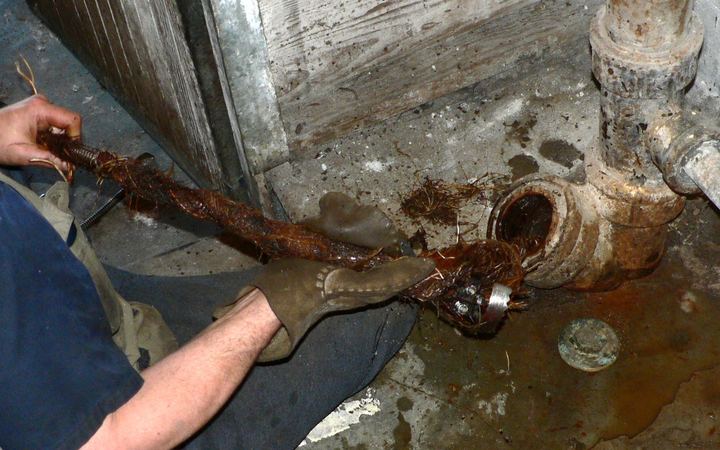
The cheapest quote on a sewer is sometimes a snake job and a promise. A cable clears the blockage for now, but if the real problem is a cracked joint letting roots in or a bellied section holding waste, that clog is coming back, and you will pay again in a few months. Fixing the pipe itself, whether by lining or by replacement, costs more up front and buys you years instead of a temporary clear. When we quote a repair, we are quoting the thing that ends the repeat calls, and we will show you on the screen why the cheaper patch would not hold.
If your issue is a pressurized water supply line rather than the sewer, that is a different repair with a different method. We cover that in our post on epoxy pipe lining for potable water lines, so you are comparing the right fix to the right pipe.
The camera inspection comes first, always
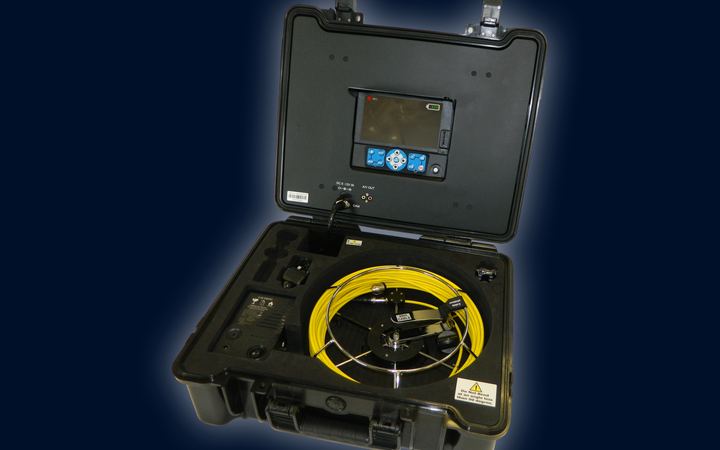
You should never approve a trenchless job or a dig without seeing what the camera sees. A scope takes about half an hour. It shows roots, bellies, offsets, cracks, and collapse, and it tells us which repair your line actually qualifies for. We run the camera, you watch the screen, and we quote from what is on it. That order matters, because it is the difference between a recommendation you can verify and one you have to take on faith.
Frequently Asked Questions
How long does a trenchless sewer repair take?
Most lateral lining or bursting jobs are completed in a single day, sometimes less. A full dig-and-replace can run longer depending on depth, access, and how much surface has to be removed and restored.
Is trenchless always cheaper than digging?
Not always. Trenchless usually wins once you add the cost of tearing up and rebuilding a driveway, patio, or landscaping. But for a short, shallow, easily reached section, a spot dig can cost less. The camera footage decides it.
How long does a lined sewer pipe last?
A properly installed cured-in-place liner is generally rated for around 50 years. Because the liner is seamless, it also resists the root intrusion that broke down the original clay or cast-iron joints.
Can every sewer line be lined?
No. A pipe that has fully collapsed or shifted badly out of alignment cannot hold a liner and needs excavation and replacement. A camera inspection confirms whether your line qualifies before anyone commits to a method.
Do I need a permit for sewer work in Anaheim?
Sewer repair and replacement typically require a permit and inspection. A licensed plumber pulls the permit and builds the repair to current code, which protects you if you ever sell the home.
Talk to a licensed Anaheim plumber before you approve anything
Need your sewer line looked at? Call Viper Rooter & Plumbing at (657) 637-8529. We are family owned, licensed and insured (LIC #1022901), and we answer 24/7 across Anaheim and Orange County. We will run the camera, show you what is actually wrong, and tell you whether your line needs trenchless or a dig before we start.
Photo credits
- Trenchless CIPP sewer liner being fed into an existing pipe during a no-dig sewer repair: photo by Rachkay333, CC BY-SA 4.0, via Wikimedia Commons.
- Small access point cut in a paved driveway for trenchless pipe work instead of a full excavation trench: photo by Jbasic, CC BY-SA 4.0, via Wikimedia Commons.