A whole-house repipe is one of the bigger checks a homeowner writes, so you deserve to know whether you actually need one before anyone starts quoting. The real signs are rusty or discolored water, low pressure at more than one fixture at the same time, repeated pinhole leaks, and visible corrosion on exposed pipe. Homes built before the mid-1970s often have galvanized steel supply lines that corrode from the inside out, and homes plumbed from the late 1970s into the mid-1990s sometimes have polybutylene, which is failure-prone. If you see the signs, a plumber should confirm the pipe material and how far the problem has spread before recommending a full repipe. Sometimes the answer is that you have years left and can plan the job instead of scrambling.
The signs that actually point to a repipe
One dripping fixture is a repair. A pattern across the whole house is what points to the pipes themselves. Watch for these together.
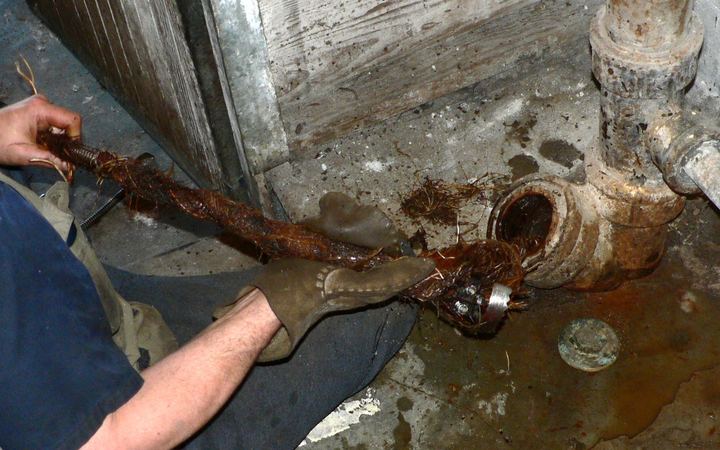
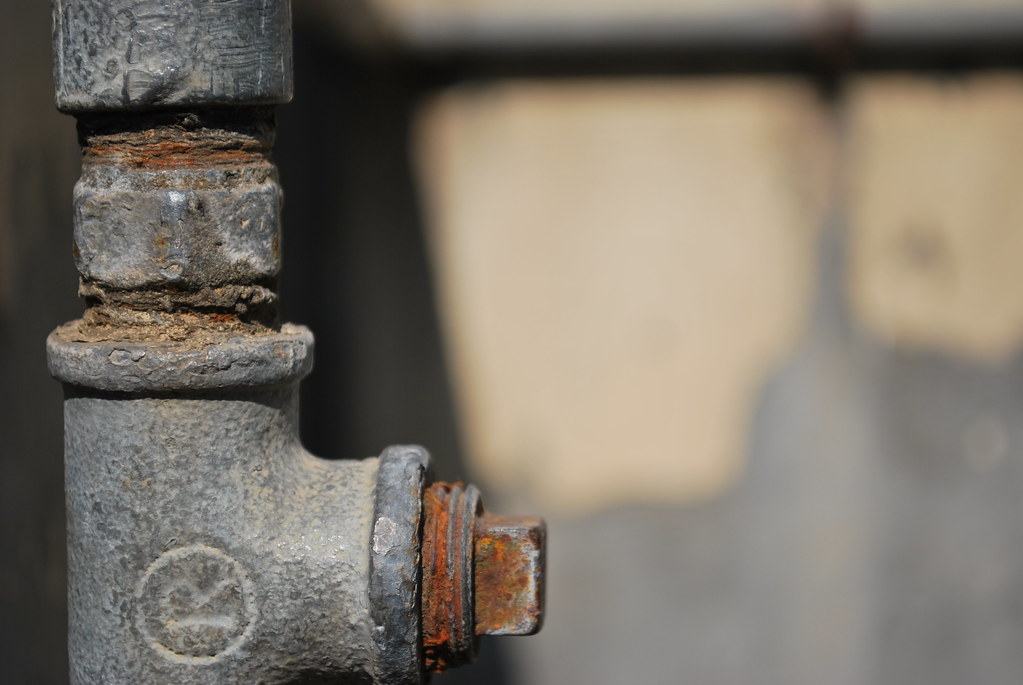
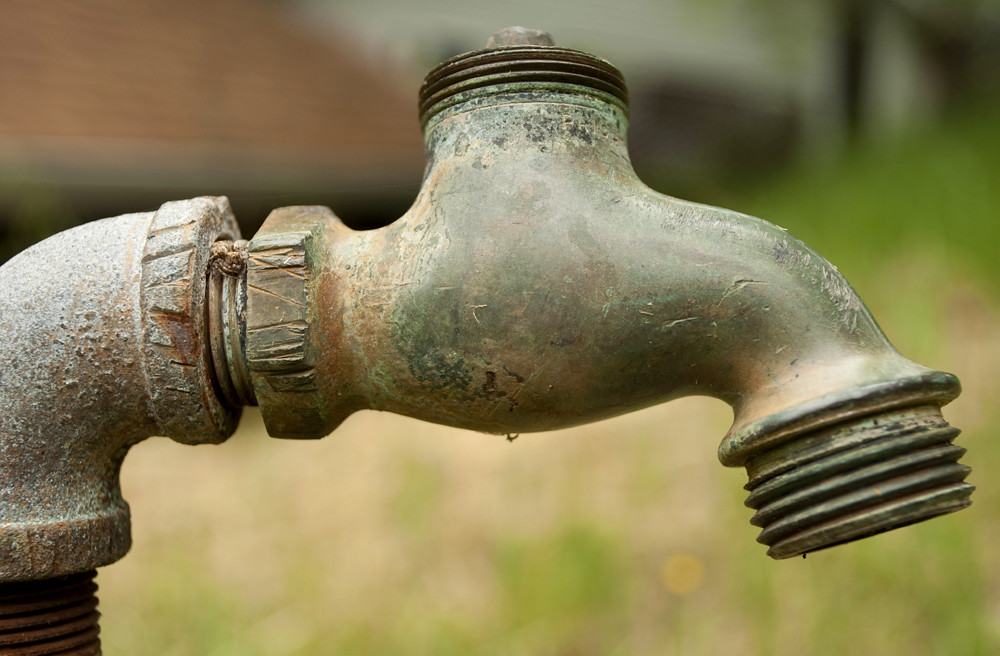
Rusty, brown, or metallic-tasting water, especially first thing in the morning after the water has sat in the lines overnight, tells you the inside of your supply pipe is corroding. Low pressure at several fixtures at once, not just the one showerhead, points to scale and rust narrowing the pipe across the system. Pinhole leaks that keep showing up in different spots are the clearest signal of all, because they mean the pipe wall has thinned to the point of failing, and patching one just moves the problem down the line. Add visible green or rust-colored corrosion on any exposed copper or steel, and you have a supply system telling you it is near the end.
Why Orange County homes hit this sooner
Orange County water is very hard. Anaheim’s supply runs around 300 to 316 parts per million, roughly 18 grains per gallon, which is on the harder end for California. That hardness matters for your pipes because the same calcium and magnesium that leave spots on your glasses also scale up inside supply lines and speed corrosion in older galvanized and copper. The practical result is that the signs of a failing system show up earlier here than they would in a soft-water region.
Age plays into it too. A lot of the county’s pre-mid-1970s homes were plumbed with galvanized steel, which rusts from the inside until pressure drops and water discolors. Homes built from the late 1970s through the mid-1990s sometimes have polybutylene supply lines, a gray plastic pipe that became known for failing at the fittings. These age ranges are a useful guide, not a guarantee, which is exactly why the pipe should be confirmed rather than assumed.
When you do NOT need a repipe yet
This is the part worth reading twice, because a repipe is a top-dollar recommendation and that is exactly when you want a plumber who will tell you to wait.
If you have one isolated pinhole leak on an otherwise sound copper system, that is a repair, not a reason to repipe the house. If your pressure is low at a single fixture, the cause is often a clogged aerator or a bad valve at that fixture, not the whole supply system. And if your water is clear, your pressure is steady everywhere, and you have no history of leaks, then the age of your home alone is not a reason to spend on a repipe today. It is a reason to keep an eye on it.
The step that protects you is to scope the condition first, identify the pipe material and how far the corrosion has spread, and match the work to that. From there we can tell you what stage your pipes are at and help you budget for the job on your timeline if and when it is due.
What waiting too long costs
The flip side matters just as much. If you are already seeing repeat pinhole leaks and discolored water and you keep patching, you are paying for repairs that do not fix the cause, and you are running the risk of a leak inside a wall or under the slab that does real damage before you catch it. There is a point where continuing to spot-repair a failing system costs more over a couple of years than the repipe would have, and it comes with water damage you cannot plan around. When we tell you the system is at that stage, it is because delaying stops saving you money and starts costing it.
How we confirm it before quoting
We do not quote a repipe off the age of your house. We look at the water, check pressure at multiple fixtures, inspect the exposed pipe and fittings, and identify the pipe material. From there we can tell you whether you are looking at a repair, a partial repipe of the worst runs, or a whole-house job, and roughly where you sit on the timeline. Then you decide with the real picture in front of you.
Frequently Asked Questions
How much does a whole-house repipe cost?
It depends on the size of the home, the number of fixtures, the pipe material we install, and access to the existing runs. We give a written estimate after inspecting your specific system, because a number quoted sight unseen is a guess.
How do I know if I have polybutylene pipe?
Polybutylene is usually a gray, sometimes blue or black, flexible plastic pipe, common in homes built from the late 1970s to the mid-1990s. We can confirm it during an inspection. Because it is known to fail at the fittings, many homeowners choose to replace it proactively.
Does hard water really shorten pipe life?
Yes. Hard water scales inside pipes and accelerates corrosion in older galvanized and copper, which is one reason Orange County homes show repipe signs earlier than soft-water areas.
Can you repipe just part of the house?
Often, yes. If only certain runs are failing, a partial repipe of the worst sections can be the right-sized fix. We will tell you whether a partial job solves the problem or just delays a full one.
Will a repipe fix my low water pressure?
If the low pressure is caused by scale and corrosion narrowing your supply pipes, then yes, new pipe restores it. If the cause is a pressure regulator or a single bad valve, a repipe would be the wrong fix, so we confirm the cause first.
Get a clear read on your pipes
Seeing rusty water or repeat leaks? Call Viper Rooter & Plumbing at (657) 637-8529. We are family owned, licensed and insured (LIC #1022901), and we serve Anaheim and Orange County 24/7. We will confirm the condition of your pipes and tell you whether you need a repipe now or can plan for it, before we quote a dime.
Photo credits
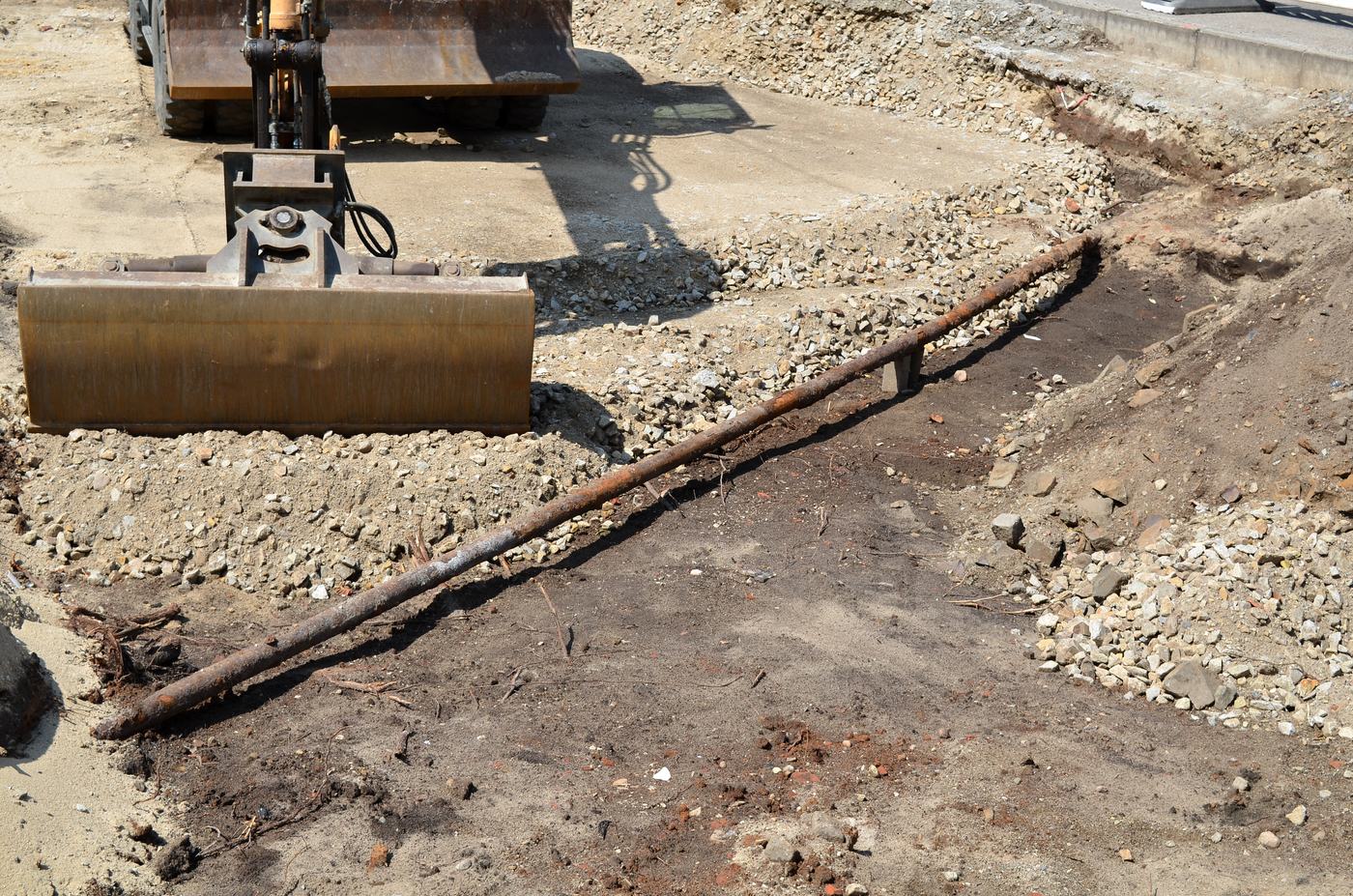
- Old corroded water line exposed in a trench during a repipe excavation: photo by Trio3D, CC BY-SA 4.0, via Wikimedia Commons.
- Corroded galvanized steel pipe fitting with rust at the threaded joints: photo by mynameisharsha, CC BY-SA 2.0, via Flickr.
- Corroded brass spigot with heavy verdigris on a galvanized supply pipe: photo by stockerre, CC BY 2.0, via Flickr.