Gas line work is the one area where the advice starts with a hard line: this is not a job to do yourself or to hand to whoever is cheapest and unlicensed. Here is the short version. A gas line needs replacement when it is corroded, undersized for appliances you have added, leaking, or failing inspection. In California, replacing or altering a gas line legally requires a licensed plumber and a permit, and the line must be pressure-tested and inspected before it is put back into service. That is not red tape for its own sake. It is the process that keeps a gas leak from becoming a fire. If you ever smell gas, the order is simple: leave the house, call the utility from outside, then call a licensed plumber. Everything else about gas work follows from taking it that seriously.
When a gas line actually needs work
Not every gas concern is a full replacement, and part of a real assessment is saying so. A gas line typically needs replacing when it is corroded, when it has been sized for a smaller load than you now run, when it is leaking, or when it fails an inspection during a remodel or a home sale.
The undersizing case is the one homeowners run into most without realizing it. If you add a gas appliance, a pool heater, a second furnace, a tankless water heater that draws far more gas than a tank, the existing line may not be able to feed everything safely. A tankless conversion in particular often needs a larger or dedicated gas line run from the meter, because it pulls a lot of gas on demand. That is a legitimate reason to upsize a line, and we can tell you exactly which appliances are driving the need.
Repair or replace: how to weigh it
Here is the question a lot of gas-line pitches skip: do you actually need the whole line replaced, or can the real problem be repaired?
Sometimes a repair is the answer. A single failed fitting, a damaged section near an appliance, or a localized leak can often be fixed without repiping the entire run, and when that is the case, that is what we will recommend. Other times, especially with an older, corroded line or one that is undersized across the board, a repair is a band-aid and a repipe is the sound call. What determines it is the condition and layout of your specific line, confirmed by testing, not a default to the bigger job. We will show you what the test found and lay out the repair option and the replacement option with pricing for each, so the choice is yours with the facts in hand.
Why this is not a DIY job
Some plumbing you can reasonably attempt yourself. Gas is not on that list, and the reasons are practical, not scare tactics.
A gas line has to be sized correctly for the total appliance load, joined and sealed to standard, and then pressure-tested to prove it holds before any gas flows through it. A small mistake, an undersized run, an improperly sealed joint, a skipped pressure test, does not announce itself. It leaks quietly, and gas leaks carry a real risk of fire and carbon monoxide. That is why California requires the work be done by a licensed plumber and permitted, and why an inspector checks it. The permit is not a fee to resent. It is a second set of qualified eyes confirming the line is safe before your family lives with it. Work done without a permit also tends to surface later as a problem when you sell the home.
What cutting the corner costs
The cheap, unpermitted gas job is the most expensive corner to cut, because the cost shows up as risk you cannot see. An unlicensed installer with no permit and no inspection can leave you a line that passes for fine right up until it does not, and there is no inspector who ever confirmed it was safe. If it fails during a future sale, you pay to redo it correctly anyway, on top of whatever you already spent. Paying once for licensed, permitted, tested work is cheaper than paying twice, and far cheaper than the alternative a gas leak can bring. That is why our gas work is always licensed and permitted, with the pressure test and inspection the code requires.
Frequently Asked Questions
Do you need a permit to replace a gas line in California?
Yes. Replacing or altering a gas line requires a permit, and the work must be done by a licensed plumber, pressure-tested, and inspected before the line is returned to service. That process is what confirms the line is safe.
What are the signs of a gas leak?
A sulfur or rotten-egg smell, a hissing sound near a line or appliance, and dead or dying vegetation over a buried line. If you notice any of these, leave the house, call the utility from outside, then call a licensed plumber. Do not investigate it yourself.
Can a gas line be repaired instead of fully replaced?
Often, yes. A single failed fitting or a localized problem can sometimes be repaired without repiping the whole run. Whether repair or replacement is right depends on the line’s condition, which we confirm by testing before recommending either.
Why does a tankless water heater need a bigger gas line?
A tankless unit heats on demand and draws far more gas at once than a tank, so it frequently needs a larger or dedicated line from the meter to feed it safely. We check the existing line’s capacity before any tankless install.
Is it safe to do gas line work myself?
No. Correct sizing, sealed joints, and a pressure test are essential, and mistakes leak silently with a real fire and carbon monoxide risk. California requires licensed, permitted work for exactly this reason.
Get gas work done licensed, permitted, and tested
Need a gas line repaired or replaced? Call Viper Rooter & Plumbing at (657) 637-8529. We are a family-owned Anaheim plumber, licensed and insured (LIC #1022901), serving Orange County 24/7. We pull the permit, size and test the line to code, and tell you whether you need a repair or a full replacement before we start. If you smell gas right now, leave the house and call your utility first, then call us.
Photo credits
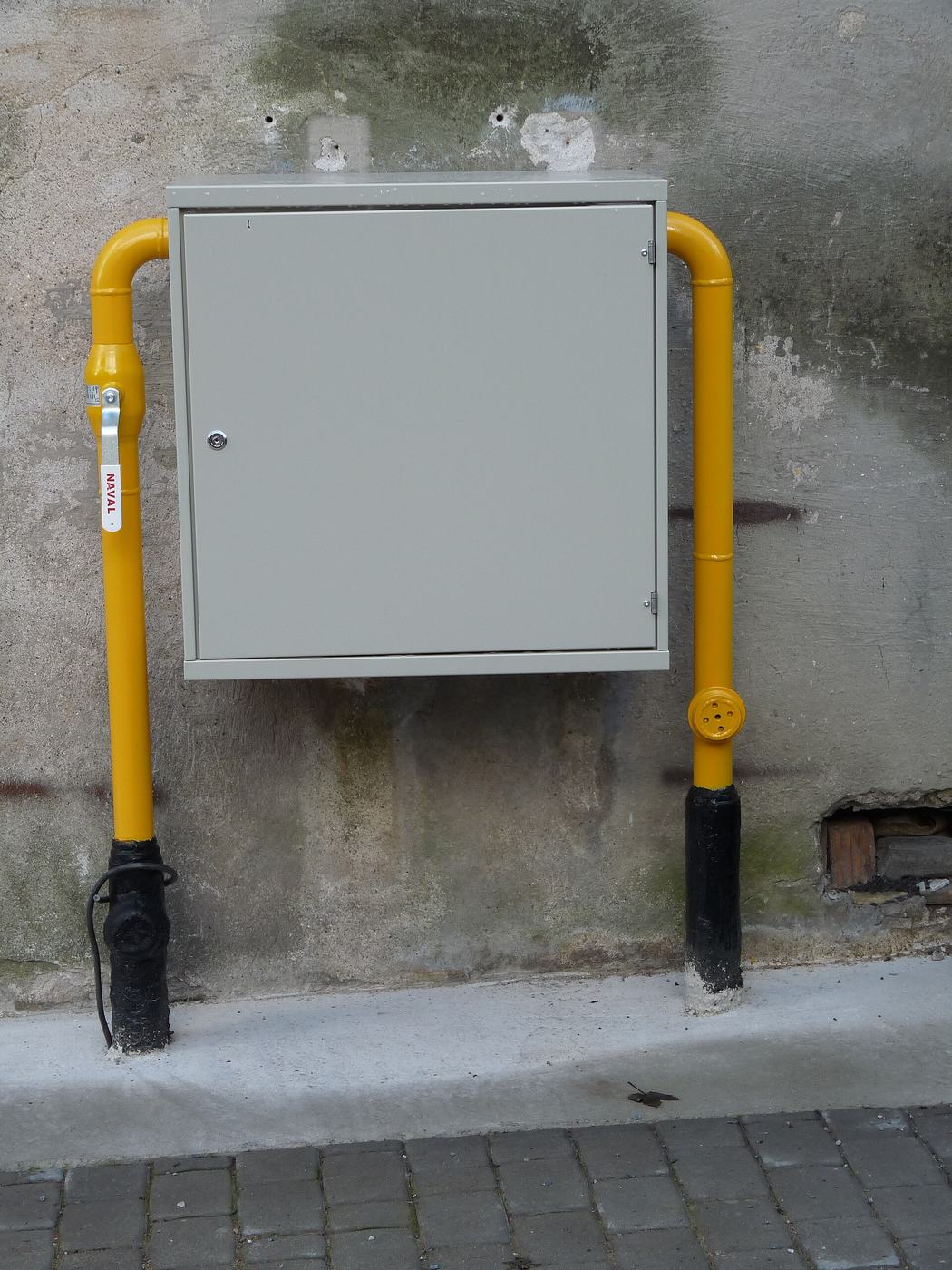
- Yellow gas service line rising up an exterior wall to a gas meter: photo by Dmitry G, Public domain, via Wikimedia Commons.
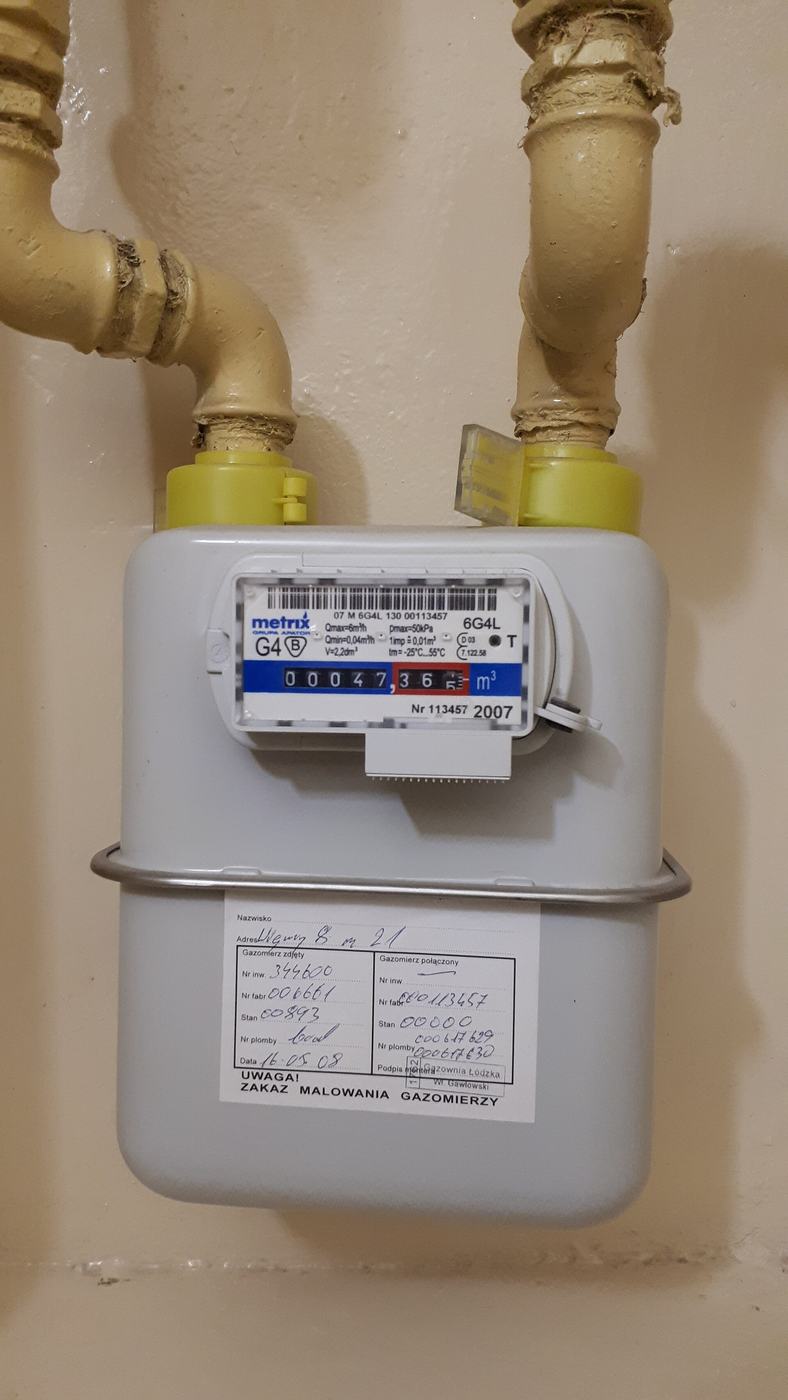
- Residential gas meter fed by yellow gas piping on an exterior wall: photo by Rakoon, CC0, via Wikimedia Commons.